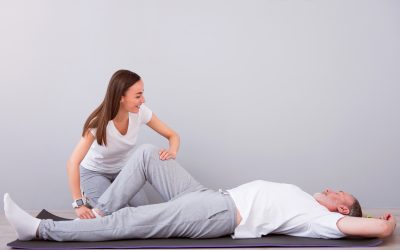
Pain on the outside of the hip that flares when lying on that side or climbing stairs is often called hip bursitis, but in most people it involves the gluteal tendons rather than the bursa alone. SoftWave treatment, a form of shockwave therapy, may be considered as part of care for this kind of tendon-related hip pain, but it works best alongside an evaluation, changes to daily loading habits, and progressive strengthening.
For many adults, outer hip pain creeps in gradually. It might start as an ache after a long walk or a round of golf, then begin interrupting sleep or making it hard to get out of the car. Understanding what is actually going on at the side of the hip helps explain why some approaches work better than others, and where newer options like shockwave therapy may or may not fit.
Is Outer Hip Pain Really Bursitis?
For years, pain over the bony point on the side of the hip, called the greater trochanter, was routinely diagnosed as trochanteric bursitis. A bursa is a small fluid-filled sac that reduces friction between tissues, and it was assumed to be the main source of pain.
That thinking has changed. Patient guidance from Cambridge University Hospitals in the United Kingdom notes that the condition is now generally called greater trochanteric pain syndrome, or gluteal tendinopathy. The older label is considered outdated because isolated problems with the bursa are rare, while irritation of the gluteus medius and gluteus minimus tendons, where they attach to the side of the hip, is present in most patients.
The distinction matters. A bursa problem was traditionally treated by trying to calm inflammation. A tendon problem usually responds better to a plan that manages how much load the tendon handles each day and then gradually builds its capacity.
Who Tends to Develop Lateral Hip Pain?
The same Cambridge University Hospitals guidance describes gluteal tendinopathy as the most common tendinopathy in the lower limbs. It is about four times more common in women than in men, and it’s especially frequent around and after menopause.
It also shows up in runners and people who do a lot of step or lunge training. For active adults who walk, hike, play pickleball, or golf, the outer hip can quietly take on more load than it’s ready for, especially after a change in activity level.
Common Signs of a Gluteal Tendon Problem
People with this condition often describe:
- Pain and tenderness directly over the outer hip, sometimes spreading down the outside of the thigh
- Discomfort when lying on either side at night
- Pain when standing on one leg, such as when putting on pants or climbing stairs
- Aching after sitting in low chairs or a car, especially when getting up
Some notice that walking uphill, taking stairs, or rising from a chair is the hardest part of the day. A sense of the leg “giving way” can also occur in some cases.
Because hip joint arthritis, nerve irritation from the lower back, and sacroiliac joint problems can all cause pain in a similar area, these clues help guide an evaluation rather than confirm a diagnosis on their own.
Everyday Habits That Can Keep the Tendons Irritated
One of the most useful parts of managing outer hip pain is identifying positions that compress the tendons against the bone. The Cambridge University Hospitals leaflet lists several common aggravators:
Hanging on one hip. Standing with weight shifted onto one leg, or carrying a child on one hip, pushes the hip outward and squeezes the tendons.
Crossing the legs. Sitting cross-legged or with one knee over the other for long periods can keep the tendons under compression.
Deep stretches. Prolonged stretches that pull the leg across the body, such as some buttock stretches, can aggravate rather than relieve the problem.
Certain floor exercises. Side-lying leg lifts and “clamshell” exercises, often recommended for hip strength, may irritate a sensitive tendon if introduced too early.
Simple changes, such as sleeping with a pillow between the knees, standing evenly on both feet, and avoiding very low seats when possible, can reduce the daily load on the tendons while other care takes effect.
What Does the Research Say About Shockwave Therapy for the Hip?
Shockwave therapy uses acoustic pressure waves delivered through the skin to a targeted area. It is non-invasive and does not involve needles or incisions. The aim is to stimulate a biological response in the tissue, which is why it’s often considered for stubborn tendon problems that haven’t improved with rest alone.
A 2025 systematic review and meta-analysis by Datt Anand and colleagues, published in the Muscles, Ligaments and Tendons Journal, looked specifically at shockwave therapy for greater trochanteric pain syndrome. It found that focused shockwave therapy improved pain at medium-term follow-up, though not at long-term follow-up, and improved lower limb function compared with control or alternative treatments. Radial shockwave therapy did not show a significant reduction in pain compared with other approaches.
That’s an important nuance. Not all shockwave devices are the same, and results from one type can’t simply be applied to another.
Where SoftWave Treatment Fits In
SoftWave is a specific type of chiropractic shockwave therapy that uses an unfocused, electrohydraulic shockwave. Rather than concentrating energy at a single point, it spreads it across a broader treatment area, which can reach both surface and deeper tissues around the side of the hip.
Because SoftWave differs from both the focused and radial devices studied in most hip research, it’s reasonable to view it as one possible tool rather than a proven standalone fix. For people exploring SoftWave treatment for lateral hip pain, the more useful questions are whether a careful evaluation supports trying it, how it will be combined with other care, and how progress will be measured.
Sessions are typically short. Many clinics schedule them over several weeks, and the total number of visits depends on how the tissue responds. Some people notice mild, temporary soreness in the treated area after a session.
How Chiropractic Care Supports the Hip and Pelvis
Outer hip pain rarely exists in isolation. How the pelvis, lower back, and hips move together affects how much load reaches the gluteal tendons with every step.
A chiropractor will typically begin by checking hip range of motion, strength, and how the pelvis moves during standing and walking. They’ll also assess the lower back and sacroiliac joints to rule out referred pain. If those areas are stiff or not moving well, gentle chiropractic adjustments to the pelvis and lower back, and in some cases a chiropractor hip adjustment, may be used to improve how the region moves.
Chiropractic therapy for this kind of problem often includes:
- Guidance on sleeping, sitting, and standing positions that reduce tendon compression
- Progressive strengthening of the hip muscles, starting with exercises that don’t irritate the tendon
- Gradual return to walking, stairs, and sport
Exercise-based care and load management remain the best-supported approach for gluteal tendinopathy, according to the Cambridge University Hospitals guidance. Shockwave therapy and adjustments are most useful when they support that foundation rather than replace it.
When to Get Hip Pain Checked
Outer hip pain that lasts more than a few weeks, disturbs sleep, or keeps returning when activity increases is worth having evaluated. An exam can help separate tendon pain from hip joint arthritis, lower back problems, or other causes.
Pain that follows a fall, comes with significant swelling or warmth, prevents weight-bearing, or appears with fever should be assessed by a medical provider promptly.
Before an appointment, it can help to jot down when the pain started, which activities or positions bring it on, and whether it wakes you at night. Noting any recent changes, such as a new walking routine, more time on stairs, or a different mattress, gives the provider useful context and can point toward the habits worth changing first.
Building a Plan That Goes Beyond Symptom Relief for Hip Pain
Lateral hip pain is common, especially for adults over 50 and for active people who’ve recently increased their training. Much of what was once called hip bursitis is now understood as a tendon problem, and that shift explains why rest and short-term fixes often fall short.
For people in Glendale and across the West Valley dealing with persistent outer hip pain, the most practical path usually combines a clear evaluation, smarter daily habits, progressive strengthening, and, where it fits, SoftWave treatment as one part of a broader plan. That combination gives the tendon both relief and the chance to rebuild its capacity over time.
About Trinity Advanced Health
Trinity Advanced Health is a Glendale, AZ chiropractic office that offers SoftWave treatment, spinal decompression, gentle adjustments, and neuropathy care. Their lead physician, Dr. David Iszler, BS, DC, BCN, has practiced chiropractic since graduating from Palmer College of Chiropractic in 1994. Patients can call (602) 603-5444 or get directions on Google Maps.