The gist:
• Basement flooding in Joliet is tied to clay-heavy soil, freeze-thaw cycles, and proximity to the Des Plaines and DuPage Rivers, which raise the risk of seepage and structural damage.
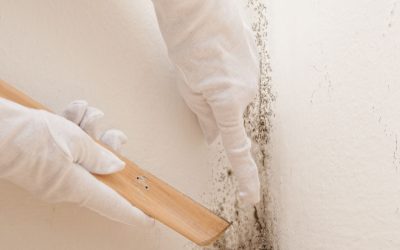
• Professional cleanup combines fast water extraction, structural drying, and moisture control to limit mold growth, which can begin within 24 to 48 hours.
• Parkside Restoration provides basement flood response, drying, dehumidification, and repair services for homes across Joliet and nearby Will County communities.
A flooded basement needs water removed and structures dried within hours, not days, to prevent mold, warped flooring, and weakened foundations. Professional Basement Flood Damage Cleanup in Joliet IL typically combines rapid extraction, industrial drying equipment, and moisture testing to stabilize a property before secondary damage sets in.
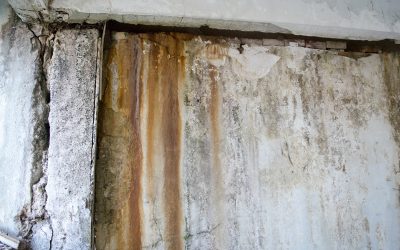
Basements in Joliet face a higher risk of water intrusion because of the local geography. Many homes sit in flood-prone zones near where the Des Plaines and DuPage Rivers meet, and the clay-heavy soil found across Will County swells when it’s saturated. That repeated swelling can crack basement walls and open new paths for water to get in. If water has already made its way inside, the Parkside Restoration Official Website is a good place to find help from a professional team.
Why Joliet Basements Flood More Than Other Areas
Several local conditions combine to make basement flooding a recurring issue for homeowners in this region.
• Spring thaws paired with Illinois freeze-thaw cycles cause seepage in older neighborhoods with limestone foundations.
• Clay soil contracts and expands with moisture changes, cracking foundation walls over time.
• Heavy rainfall events overwhelm aging storm sewers and sump systems in older subdivisions.
• Sewage backups during storms add contamination risk on top of standing water.
These factors mean a flooded basement in Joliet is rarely just a water problem. It is often a combination of structural stress, groundwater pressure, and in some cases, sewage contamination that requires a layered response rather than a simple wet-vac job.
What Professional Basement Flood Cleanup Involves
Restoration crews generally follow a sequence designed to stop damage before it spreads. The process addresses both the visible water and the moisture hidden inside walls, subfloors, and insulation.
1. Water extraction using pumps and truck-mounted vacuums to remove standing water quickly.
2. Structural drying with commercial-grade air movers and dehumidifiers to pull moisture from framing and drywall.
3. Moisture mapping to confirm hidden dampness in wall cavities has been addressed, not just surface water.
4. Mold prevention treatments applied to framing and exposed materials before walls are closed back up.
5. Repairs and reconstruction for drywall, flooring, and baseboards damaged beyond drying.
According to EPA guidance on flood cleanup and indoor air quality, mold can begin growing on wood, drywall, carpet, and furniture if these materials stay wet for more than 24 hours, which is why extraction speed matters as much as thoroughness. Porous materials that absorbed floodwater, such as carpet padding or waterlogged drywall, typically cannot be fully dried and are removed rather than treated, since contamination can sit deep inside the material.
Locate Parkside Restoration on the Map, a restoration company that serves Joliet and surrounding Will County communities. The company’s Joliet service page describes emergency water damage restoration that includes water removal, basement flood cleanup, structural drying, dehumidification, mold prevention, and full property repairs for both residential and commercial properties.
DIY Response vs. Professional Cleanup
Homeowners often face a choice in the first hour after discovering a flooded basement: start cleanup themselves or call a restoration crew. The table below outlines where each approach tends to fall short or succeed.
| Factor | DIY Cleanup | Professional Cleanup |
| Water removal speed | Limited by shop-vac or pump capacity | Truck-mounted extraction removes large volumes fast |
| Hidden moisture detection | Difficult without moisture meters | Moisture mapping identifies dampness inside walls |
| Mold risk management | Reactive, often after growth starts | Preventive treatment applied during drying |
| Insurance documentation | Informal, may lack detail | Structured scope reports and photos for claims |
Homeowners handling a small, contained spill may manage initial cleanup on their own, but basements with several inches of standing water, sewage involvement, or saturated drywall generally call for equipment and drying protocols beyond typical household tools.
Reducing Future Flood Risk in Joliet Homes
Cleanup addresses the immediate emergency, but preventing repeat flooding requires attention to the underlying causes common in this area.
• Grade soil away from the foundation to redirect surface water.
• Inspect sump pumps and battery backups before spring thaw season.
• Seal visible cracks in basement walls promptly after they appear.
• Keep gutters and downspouts clear to reduce water pooling near the foundation.
These steps will not eliminate flood risk entirely in a region with clay soil and aging infrastructure, but they reduce the frequency and severity of water intrusion between major storm events.
Frequently Asked Questions
How quickly should basement flood cleanup start after water intrusion? Extraction and drying should begin as soon as it is safe to enter the space, since materials left wet for more than a day face a significantly higher risk of mold growth.
Is floodwater in a basement always contaminated? Not always, but water from storm overflow or sewage backups is typically treated as contaminated and requires different handling than a clean water leak from a pipe.
Can carpet and drywall be saved after a basement flood? It depends on how long materials stayed wet and whether the water was contaminated; porous materials that absorbed floodwater for an extended period are often removed rather than dried in place.
Does homeowners insurance typically cover basement flood cleanup? Coverage varies by policy and cause of flooding, so homeowners should review their specific policy terms and document damage promptly to support any claim.
Basement flooding in Joliet tends to follow predictable patterns tied to local soil and weather conditions, but each incident still requires fast, methodical cleanup to prevent long-term structural and air quality problems. Acting within the first hours after water intrusion, documenting the damage, and addressing both visible water and hidden moisture gives a property the best chance of a full recovery.