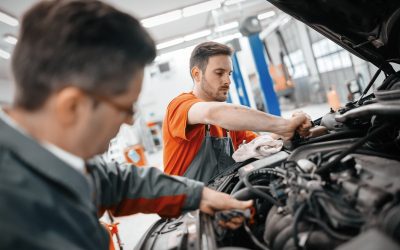
Diesel injection pump testing determines whether the pump can deliver the pressure and fuel volume required by the engine under specific operating conditions. A complete diagnosis must also examine the supply pump, filtration, fuel quality, pressure controls, rail, injectors, sensors, wiring, and return circuit because faults elsewhere can make a functioning injection pump appear defective.
What Role Does the Diesel Injection Pump Perform?
In a modern common-rail diesel system, the high-pressure injection pump compresses fuel before sending it to the shared fuel rail. The rail then supplies pressurized fuel to the injectors, which meter precise amounts into the engine’s cylinders.
Bosch describes the fuel rail as the central hydraulic component connecting the high-pressure pump and injectors. This connection means pressure measured at the rail reflects the operation of several linked components rather than the pump alone.
The amount of pressure required changes according to engine speed, load, temperature, and control-module commands. If actual rail pressure does not match the requested value, the diagnostic process must determine whether the pump cannot generate pressure or another part of the system cannot supply, regulate, or retain it.
Why Is a Low Rail-Pressure Reading Not Proof of Pump Failure?
A diagnostic scan can compare commanded fuel pressure with actual rail pressure. When actual pressure remains below the requested level, the data confirms that the system is not meeting its target, but it does not establish why.
Possible causes may include insufficient low-pressure fuel delivery, a restricted filter, an inlet-metering valve problem, excessive injector return flow, a pressure-control fault, inaccurate sensor data, contaminated fuel, damaged wiring, or internal pump wear.
Delphi’s fuel-system diagnostic guidance separates pump-pressure testing from injector testing so technicians can identify which component is responsible rather than replacing several fuel-system parts unnecessarily.
This is why professional diesel injection pump repair begins with system-level testing. The pump must be evaluated under the conditions created by the surrounding fuel-delivery components.
How Does the Low-Pressure Supply Side Affect Injection Pump Testing?
The high-pressure pump can only compress the fuel it receives. Before evaluating its output, diesel auto mechanics must confirm that the supply side delivers the required fuel volume and pressure.
Depending on the vehicle, this part of the system may include an in-tank or frame-mounted supply pump, fuel lines, filter housing, water separator, tank pickup, pressure regulator, and related electrical circuits.
A restriction or supply-pump concern can starve the high-pressure pump. The resulting rail-pressure data may resemble internal high-pressure pump failure even though the primary fault developed before fuel reached the injection pump.
Air entering the supply system can also disrupt fuel delivery. Testing must therefore establish that the pump receives a consistent, uncontaminated fuel supply before its ability to create high pressure can be judged accurately.
Why Must Injector Return Flow Be Measured?
Common-rail injectors use pressurized fuel for injection, internal lubrication, and operation. A controlled amount returns to the fuel system, but excessive internal leakage can prevent the rail from retaining the pressure needed for starting and normal operation.
When too much fuel returns through one or more injectors, the high-pressure pump may continue working while actual rail pressure remains below the requested value. Without injector return-flow testing, that pressure loss could be attributed incorrectly to the pump.
Professional diesel automotive repair may use specialized equipment to compare injector return quantities and separate an injector-related pressure loss from insufficient pump output. Delphi notes that sealed-rail diagnostic equipment can test pressure generated by the pump while also helping identify individual injectors that fail to retain the required pressure.
The relationship between pump output and injector leakage is especially important during starting, when the engine must establish sufficient rail pressure before injection can proceed normally.
How Do Pressure-Control Components Influence the Results?
The injection pump does not regulate the fuel system by itself. Common-rail systems may use an inlet-metering valve, pressure-control valve, rail-pressure regulator, relief valve, or a combination of devices to control how much fuel is compressed and retained.
An inlet-metering valve can limit the amount of fuel entering the pumping chambers. A rail-mounted pressure-control component may release fuel to maintain the commanded pressure. If either device sticks, responds slowly, or receives an incorrect electrical signal, rail pressure may fall outside the expected range.
Delphi’s diagnostic material explains that when low rail pressure is present, technicians may need to determine whether the pump is mechanically capable of generating pressure or whether its inlet-metering or pressure-control components are responsible.
A diesel mechanic shop must compare control commands, actual pressure, electrical operation, and mechanical output before deciding whether the complete pump assembly requires replacement.
Why Is Fuel Quality Part of Pump Diagnosis?
Modern diesel injection components are manufactured with extremely precise internal clearances. Fuel contamination, water, debris, or incorrect fuel properties can affect the pump, control valves, rail, and injectors.
A contaminated system may damage more than one component. Replacing only the injection pump without identifying and correcting contamination can expose the replacement unit to the same harmful material.
Fuel analysis can help technicians determine whether contamination contributed to the failure. Delphi specifically includes fuel testing in its diagnostic process when investigating pump, valve, or injector damage.
A complete auto diesel repair evaluation may therefore include fuel sampling, filter inspection, system flushing requirements, and examination of affected high-pressure components.
How Are Electrical and Sensor Faults Separated From Mechanical Problems?
The engine control module relies on pressure sensors and electrical circuits to monitor and regulate fuel delivery. If a rail-pressure sensor reports inaccurate data, the module may change pump commands even though the actual hydraulic pressure is different from the reported value.
Wiring resistance, connector damage, power-supply faults, poor grounds, and communication problems can also alter pump-control or sensor signals. These concerns may create fault codes and pressure readings that resemble a mechanical failure.
Diesel technicians compare scan data with electrical measurements and mechanical pressure tests. This establishes whether the system is truly failing to generate pressure or whether the control module is receiving unreliable information.
What Should Happen Before an Injection Pump Is Replaced?
Before replacement, testing should confirm fuel supply, pump capacity, pressure regulation, injector return flow, sensor accuracy, electrical integrity, and fuel condition. The repair plan should also account for any contamination or connected component failure that could damage new parts.
After service, the system may require priming, calibration, programming, injector-related procedures, or verification that requested and actual pressure now correspond under relevant operating conditions.
For diesel owners in Goodyear, Arizona, system-level diagnosis can prevent an incomplete repair based on one code or pressure value. Professional Diesel injection pump repair should identify whether the pump is the source of the pressure problem or one part of a wider fuel-delivery fault.
Accurate testing allows a diesel mechanic shop to recommend repairs based on confirmed findings while protecting the rail, injectors, and replacement components from unresolved system conditions.