Snapshot:
• Roof replacement involves tear-off, deck inspection, underlayment, and installing new materials, typically completed in 1 to 3 days depending on roof size and material.
• Homeowners in Fond du Lac, WI, should expect pre-project prep, a permit check, and a final walkthrough before the job is considered complete.
• Material choice (asphalt shingle, metal, or flat roof membrane) affects both installation steps and long-term maintenance needs.
A full roof replacement generally takes one to three days from tear-off to final cleanup, though timelines shift based on roof size, pitch, and weather conditions common to Wisconsin winters and storm seasons. Homeowners researching roof replacement in Fond du Lac, WI, often want to know what happens between the initial estimate and the final inspection, since the process involves more steps than simply swapping old shingles for new ones.
Fond du Lac’s lakeside climate adds complexity to roofing projects. Wind off Lake Winnebago, seasonal freeze-thaw cycles, and heavy snow loads put extra stress on shingles, flashing, and decking, which is why local contractors often emphasize ventilation and moisture barriers during installation.
Pre-Installation Planning and Inspection
Every roof replacement starts with an inspection to confirm that a full replacement, rather than a repair, is the right call. According to the NRCA’s steep-slope roofing guidelines, replacement is typically triggered when repair costs become excessive, leakage becomes persistent, or damage begins affecting structural components or interior finishes.
During this planning phase, expect the following:
• A visual inspection of shingles, flashing, and visible decking for soft spots or rot
• A discussion of material options, including asphalt shingles, metal panels, or flat roof membranes
• Confirmation of local permit requirements before work begins
• A written scope of work outlining tear-off, repairs, and installation steps
Homeowners should also clear driveway and yard space for material delivery and a debris dumpster, since both are standard parts of project staging.
The Tear-Off and Deck Assessment Stage
Once work begins, crews remove the existing roofing layer down to the deck. This includes old shingles or membrane, ridge caps, flashing at penetrations, and aging underlayment or ice-and-water shield material at the eaves.
With the deck exposed, crews inspect the sheathing for rot, delamination, or fastener failure. Crews replace failed sections with equivalent panels before installing any new roofing material. This step matters because installing new shingles or membrane over a compromised deck shortens the entire system’s lifespan, regardless of material quality.
Installation Steps by Roofing Material
The installation sequence differs depending on the roofing system selected. The table below outlines general differences homeowners can expect across common options.
| Roofing Type | Typical Installation Steps | Best Suited For |
| Asphalt shingle | Drip edge, underlayment, starter strips, shingle courses, ridge caps | Most residential homes, cost-conscious projects |
| Metal panel/standing seam | Underlayment, panel fastening, seam locking, trim and flashing | Long-term durability, energy efficiency |
| Flat roof membrane | Insulation layer, membrane adhesion or welding, drainage detailing | Commercial buildings, low-slope sections |
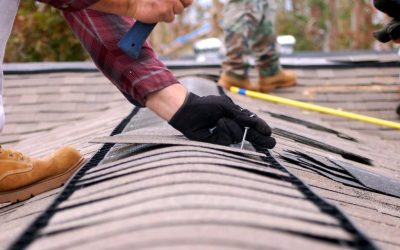
For asphalt systems, installation generally follows a sequence of applying starter strips, securing the drip edge and underlayment, installing pipe boots and flashing, laying shingles from the bottom up, and finishing with ridge caps and ventilation components.
Final Inspection and Project Closeout
Once materials are installed, a final walkthrough confirms that flashing, fastening, and ventilation meet code requirements. Many jurisdictions require a building inspector to verify compliance before officially closing the permit.
Homeowners should also expect to discuss warranty registration at this stage, since manufacturer warranties often require documentation of installation details and contractor certification.
Frequently Asked Questions
How long does a typical roof replacement take? Most residential roof replacements take one to three days, though larger homes, steep pitches, or multi-layer tear-offs can extend the timeline.
Do I need a permit for a roof replacement in Fond du Lac, WI? Permit requirements vary by project scope and material type, so confirming local requirements before work begins is a standard part of the planning phase.
What signs indicate a roof needs replacement rather than repair? Common indicators include widespread shingle damage, persistent leaks, sagging decking, or repair costs that approach the price of a full replacement.
Can roof replacement happen during Wisconsin winters? Cold-weather installation is possible, but it depends on temperature thresholds for sealant adhesion and material flexibility, which a contractor can evaluate on a case-by-case basis.
Roof replacement timelines and steps vary by home and material choice, so homeowners in Fond du Lac, WI, may want to review inspection findings and material comparisons before scheduling work. Additional details on service areas and project types are available through CustomCraft Roofing & Construction LLC.