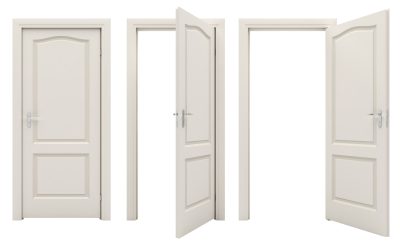
Custom wood door panel layouts define how the surface of a door is divided, shaped, and visually organized. Vertical, horizontal, and mixed-panel designs each create a different effect, influencing whether a custom wood door feels taller, wider, more traditional, more modern, or more architectural.
For Phoenix, AZ homes, panel layout is especially important because front entries often need to coordinate with stucco, stone, tile, metal accents, courtyards, and desert-modern architecture. A well-planned panel design helps custom wood doors feel connected to the home rather than added as a separate feature.
What Is a Door Panel Layout?
A door panel layout is the arrangement of raised, recessed, flat, framed, or divided sections across the face of a door. These panels may be simple and clean or more detailed, depending on the door’s design style.
On custom wood doors, panel layout is not only decorative. It affects proportion, shadow, visual weight, wood grain direction, hardware placement, and how the door relates to the surrounding entry. Even a simple, solid wood custom door can feel very different depending on how its panels are arranged.
A panel layout should be selected with the door’s height, width, wood species, architectural setting, and daily use in mind.
How Do Vertical Panel Layouts Affect a Custom Wood Door?
Vertical panel layouts draw the eye upward. They can make a custom wood door feel taller, more structured, and more formal.
This layout works well for narrow entries, tall front doors, and homes with vertical architectural details. In Phoenix, a vertical layout may complement tall entry recesses, columns, arched openings, or high-ceiling foyers. It can also help a door feel more grounded when paired with long hardware or narrow glass accents.
Vertical panels can be simple or detailed. A modern design may use wide vertical planks with minimal framing. A more traditional design may use multiple raised or recessed vertical sections. In both cases, the layout helps guide the eye from bottom to top.
When Do Horizontal Panel Layouts Work Best?
Horizontal panel layouts emphasize width and create a more contemporary look. They can make a custom wood door feel broader, cleaner, and more relaxed.
This approach often fits modern Phoenix homes with low rooflines, wide entryways, horizontal stonework, or clean exterior geometry. Horizontal panels can also help balance a tall door by visually widening the surface.
A horizontal layout may be especially effective on flat-panel doors, pivot-style entries, or minimalist wood designs. The repeated lines can create movement without needing excessive detail. For custom-made wooden doors, the width and spacing of each horizontal section should be carefully planned so the door does not look too busy.
What Are Mixed-Panel Door Designs?
Mixed-panel door designs combine vertical and horizontal sections in one layout. This can create a more custom and architectural look when the design has a clear purpose.
For example, a door may use vertical panels through the center with horizontal rails across the top and bottom. Another design may include a wide lower panel, a glass section above, and framed vertical details along the sides. Mixed-panel designs can also separate functional areas, such as hardware zones, glass inserts, or decorative wood sections.
The key is restraint. If too many panel directions compete, the custom wood door can feel cluttered. A strong mixed-panel layout should still look organized and balanced.
How Does Panel Layout Affect Visual Weight?
Panel layout affects visual weight by changing where the door appears light, heavy, open, or grounded. A door with a taller bottom panel may feel more stable. A door with narrow repeated panels may feel more detailed and traditional. A large flat panel may feel modern and calm.
For solid wood custom doors, visual weight matters because wood already has natural presence. The panel layout should support that presence, not overwhelm it. A large entry may need stronger panel divisions, while a smaller entry may look better with simpler detailing.
In Phoenix homes, strong sunlight and exterior textures can also influence how panels appear. Deeper profiles may create stronger shadows, while flatter designs may feel cleaner and more understated.
How Should Panel Layout Coordinate With Wood Grain?
Panel layout and wood grain should be planned together. Vertical panels often pair well with vertical grain because both emphasize height. Horizontal panels often pair well with horizontal grain because both emphasize width.
Mixed-panel designs may use grain direction to add contrast, but the contrast should feel intentional. If the grain changes direction too often, the door can lose its clean appearance. If the grain is carefully matched, the design can feel refined and handcrafted.
Handmade wooden doors allow more control over how the wood is arranged, which can improve the final look. The grain, panels, frame, and hardware should all support the same design goal.
How Does Hardware Placement Influence Panel Design?
Hardware placement can strongly affect panel layout. Handles, pulls, locks, and hinges need enough space to fit comfortably and look proportionate.
A long vertical pull may work well with vertical panels. A simpler lever may suit a more traditional panel arrangement. Large hardware may need a wider stile or a less crowded panel area so it does not interrupt the design.
When a custom wood door is designed around both panels and hardware, the final result feels more intentional. The hardware should look integrated into the layout rather than placed over it as an afterthought.
What Panel Layouts Suit Phoenix, AZ Homes?
Phoenix homes vary widely, so the best panel layout depends on the architecture. Desert-modern homes often work well with horizontal or flat-panel designs. Spanish and Southwest-style homes may suit vertical planks, arched panels, or more traditional framing. Transitional homes may benefit from a mixed-panel layout that feels warm but still clean.
The surrounding materials should also guide the decision. Stucco, natural stone, iron accents, tile roofing, and shaded courtyards all influence how a door should look. A panel layout that matches these features can help the entry feel more complete.
Why Are Custom Panels Important for Exterior Wood Doors?
Custom panels are important because exterior doors often serve as a major design feature. A standard layout may not fit the scale, style, or proportions of a specific home.
Custom design allows panel size, depth, spacing, wood grain, and hardware placement to be considered together. For Phoenix homeowners researching handcrafted wood doors, Anasazi Architectural Door offers custom exterior options that allow these details to be planned around the home’s architecture.
Their approach to custom wood doors gives homeowners and builders more flexibility when a front entry needs a specific look, size, or layout.
What Is the Main Takeaway?
Vertical panels can make a custom wood door feel taller and more formal, while horizontal panels can create a wider and more modern look. Mixed-panel designs can add architectural interest when the layout remains balanced and purposeful.
For Phoenix, AZ homes, the best panel layout should relate to the home’s entry size, exterior materials, wood grain, hardware, and architectural style. With thoughtful planning, custom-made wooden doors can feel warm, refined, and proportionate without unnecessary detail.