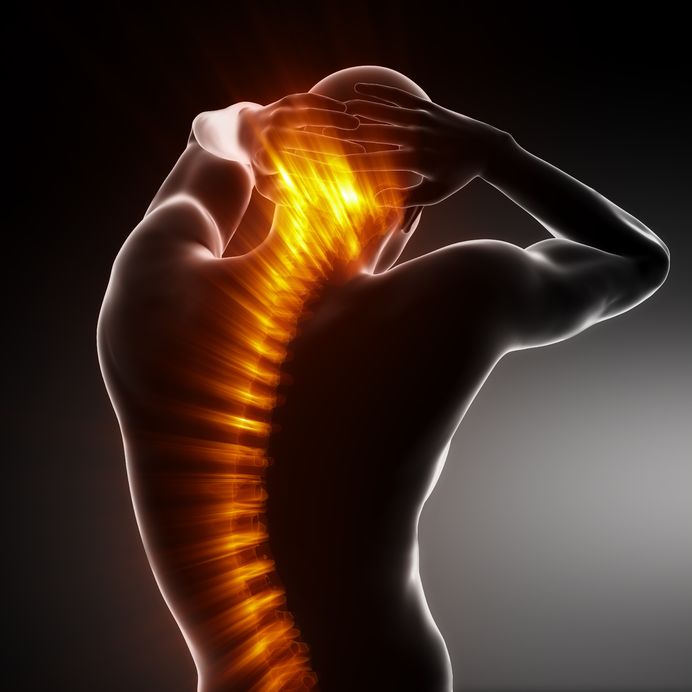
Auto accidents can trigger back pain that doesn’t feel like a typical strain. Even low-speed collisions may create sudden forces through the spine, hips, and core, sometimes aggravating spinal discs and nearby nerves. When symptoms persist, especially with sitting, bending, or long drives, people often start searching for back pain treatment options beyond rest and medication. One conservative approach that may be considered in disc-related cases is spinal decompression, a type of decompression therapy designed to reduce pressure on specific spinal segments.
This article explains how spinal decompression therapy fits into post-collision care, what an auto injury chiropractor typically evaluates before recommending it, and how to tell whether your symptoms may be disc-related.
Why Auto Accidents Can Lead to Disc-Related Back Pain
In a collision, the body may brace without warning. The seatbelt, airbag deployment, and rapid deceleration can create compressive and shear forces across the spine. While many people recover with time, others develop symptoms that linger because the underlying issue wasn’t simply “tight muscles.”
Disc-related pain after an accident may involve:
- Irritation from a bulging or inflamed disc
- Mechanical stress that worsens with flexion (bending forward) or prolonged sitting
- Nerve sensitivity that creates radiating symptoms into the hip, leg, or foot
- Protective muscle guarding that limits movement and keeps the area irritated
It’s also common for pain to show up days later, once the initial adrenaline response fades and inflammation builds.
Signs Your Back Pain May Be Disc-Related After a Collision
A structured evaluation is the only way to determine what’s most likely driving symptoms, but certain patterns are often seen when discs and nerve structures are involved.
Common signs include:
Pain that changes with posture
Disc-related back pain often worsens with positions that load the discs, such as slouched sitting, prolonged driving, or repeated forward bending. Some people feel relief when they stand, walk briefly, or lie down with support under the knees.
Radiating pain or tingling
If discomfort travels from the low back into the buttock, thigh, calf, or foot, it may suggest nerve irritation. Tingling, numbness, or “pins and needles” should be assessed promptly, especially if it’s persistent.
Pain with coughing, sneezing, or bracing
Sudden increases in pressure can sometimes aggravate disc and nerve symptoms. This isn’t diagnostic on its own, but it’s a useful clue in context.
“Good days and bad days” with predictable triggers
Disc-related symptoms can fluctuate. Many people notice consistent triggers, long sitting sessions, certain workouts, lifting, or repeated bending, that reliably bring symptoms back.
What an Auto Injury Chiropractor Evaluates Before Decompression Therapy
Because not every type of back pain is a good match for decompression therapy, evaluation matters. An auto injury chiropractor typically looks for evidence that your symptoms are mechanical, identifies whether nerve involvement is present, and checks for reasons decompression may not be appropriate.
A thorough evaluation often includes:
- A detailed history of the accident and symptom timeline
- Range-of-motion testing and movement assessment (what increases vs. decreases symptoms)
- Orthopedic tests that help differentiate joint, disc, and soft-tissue patterns
- Neurologic checks (strength, reflexes, sensation) to screen nerve function
- Palpation and functional screening for muscle guarding and compensations
- Imaging review when indicated or already available, especially if symptoms persist or are severe
This evaluation helps decide whether spinal decompression is appropriate, or whether another approach should be prioritized first.
What Spinal Decompression Therapy Is Designed to Do
Spinal decompression therapy is a controlled form of traction that uses gentle, programmed pull-and-release cycles. The purpose is to reduce compressive pressure along targeted spinal levels—commonly in the lumbar spine for low back and leg symptoms, or in the cervical spine for neck and arm symptoms.
In disc-related cases, decompression is often discussed for its potential to:
- Decrease mechanical stress on irritated disc tissue
- Reduce pressure around nerve exit spaces
- Support improved circulation and nutrient exchange in disc structures
- Calm symptom-provoking compression patterns so rehab can progress
It’s not a “one-session fix.” When it’s used, it’s typically part of a broader plan that includes movement retraining and strengthening.
How Decompression Fits Into Back Pain Treatment After Auto Accidents
After a collision, many people need a phased approach:
Phase 1: Calm irritation and restore basic movement
Early care often focuses on reducing symptom intensity and restoring tolerable motion. This may include gentle manual care, modified activity, targeted mobility work, and strategies to avoid repeated flare-ups.
Phase 2: Reduce recurrence by rebuilding capacity
Once symptoms are less reactive, rehab becomes important—especially hip and core strengthening, posture and driving setup changes, and gradual return to work and exercise demands.
Phase 3: Return to normal activity with fewer flare-ups
Progressive loading (not sudden spikes) helps tissues regain tolerance. A plan should also include guidance for lifting mechanics and pacing, particularly if your job involves repetitive bending or standing.
Decompression therapy may be considered when the evaluation suggests disc and nerve pressure patterns, and when symptoms remain reactive despite appropriate conservative steps.
When Decompression Therapy May Not Be Appropriate
Not everyone is a candidate. A clinician may avoid or modify decompression therapy if there are concerns such as:
- Fracture risk or significant spinal instability
- Certain post-surgical factors (depending on procedure and timing)
- Signs of serious neurologic compromise that require urgent medical evaluation
- Conditions where traction-based approaches are contraindicated
This is why it’s important not to self-prescribe decompression without professional screening.
What to Do Between Visits if Sitting and Driving Trigger Pain
In Anaheim, CA, driving is a common aggravator. If sitting reliably worsens symptoms, these practical steps may help while you’re arranging evaluation:
- Use lumbar support to reduce slouching and disc load
- Take short walking breaks every 30–45 minutes when possible
- Avoid repeated bending and twisting under load
- Try “unloading” positions at home (lying on your back with knees supported) if it reduces symptoms
- Keep activity consistent, but avoid sudden spikes in intensity
These steps don’t replace care, but they often reduce flare frequency and clarify which triggers matter most.
A Helpful Starting Point in Anaheim, CA
If you’re exploring spinal decompression and want to understand how clinics describe candidacy and treatment goals, you can review reliable decompression therapy as a general reference. Bring notes about your accident timeline, symptom triggers (driving, sitting, bending), and any radiating sensations to your evaluation so the plan can match your specific findings.
Disc-related back pain after an auto accident can be frustrating, but a structured assessment and a staged, conservative plan, sometimes including spinal decompression therapy, can help you move from recurring flare-ups toward steadier recovery.