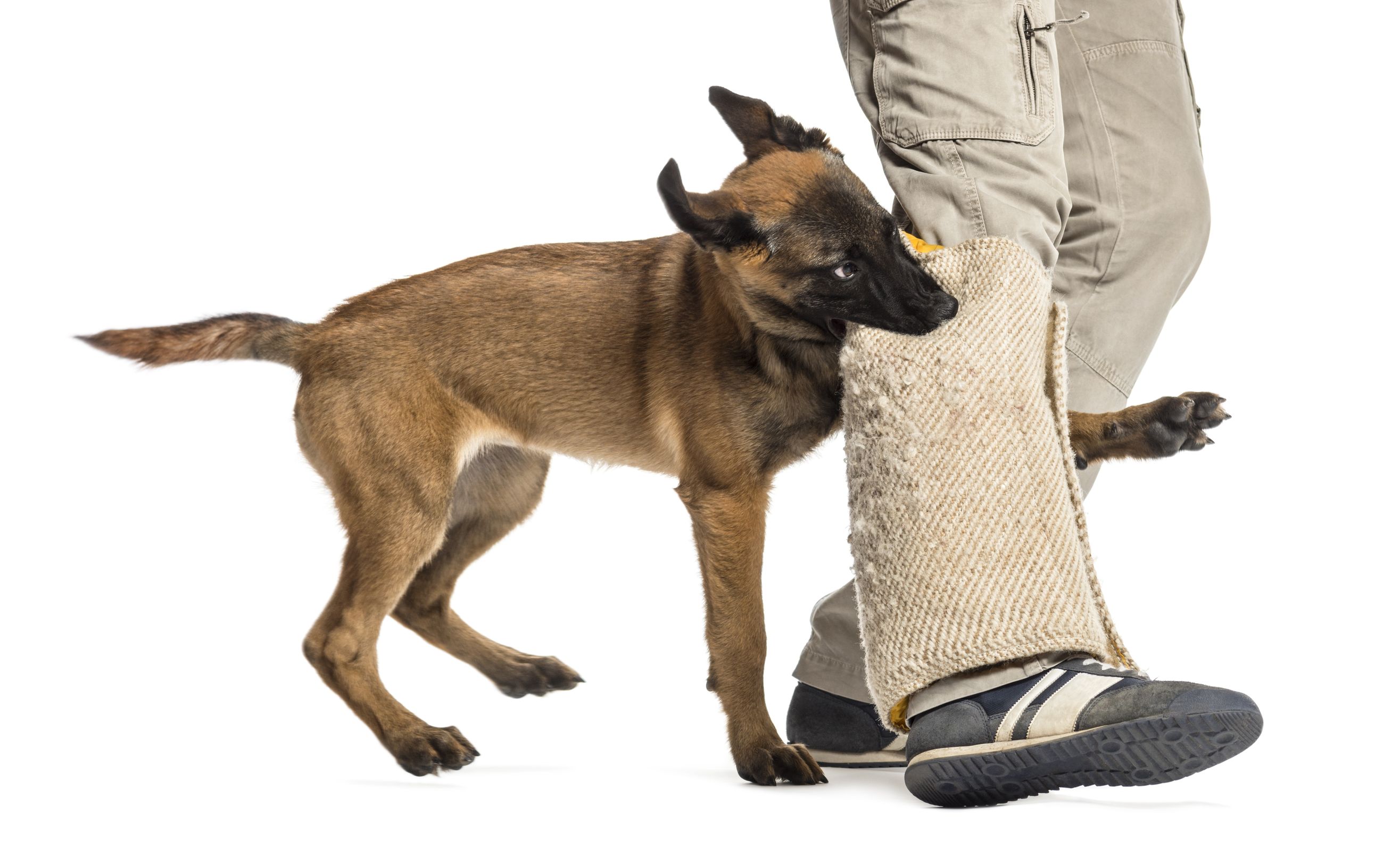
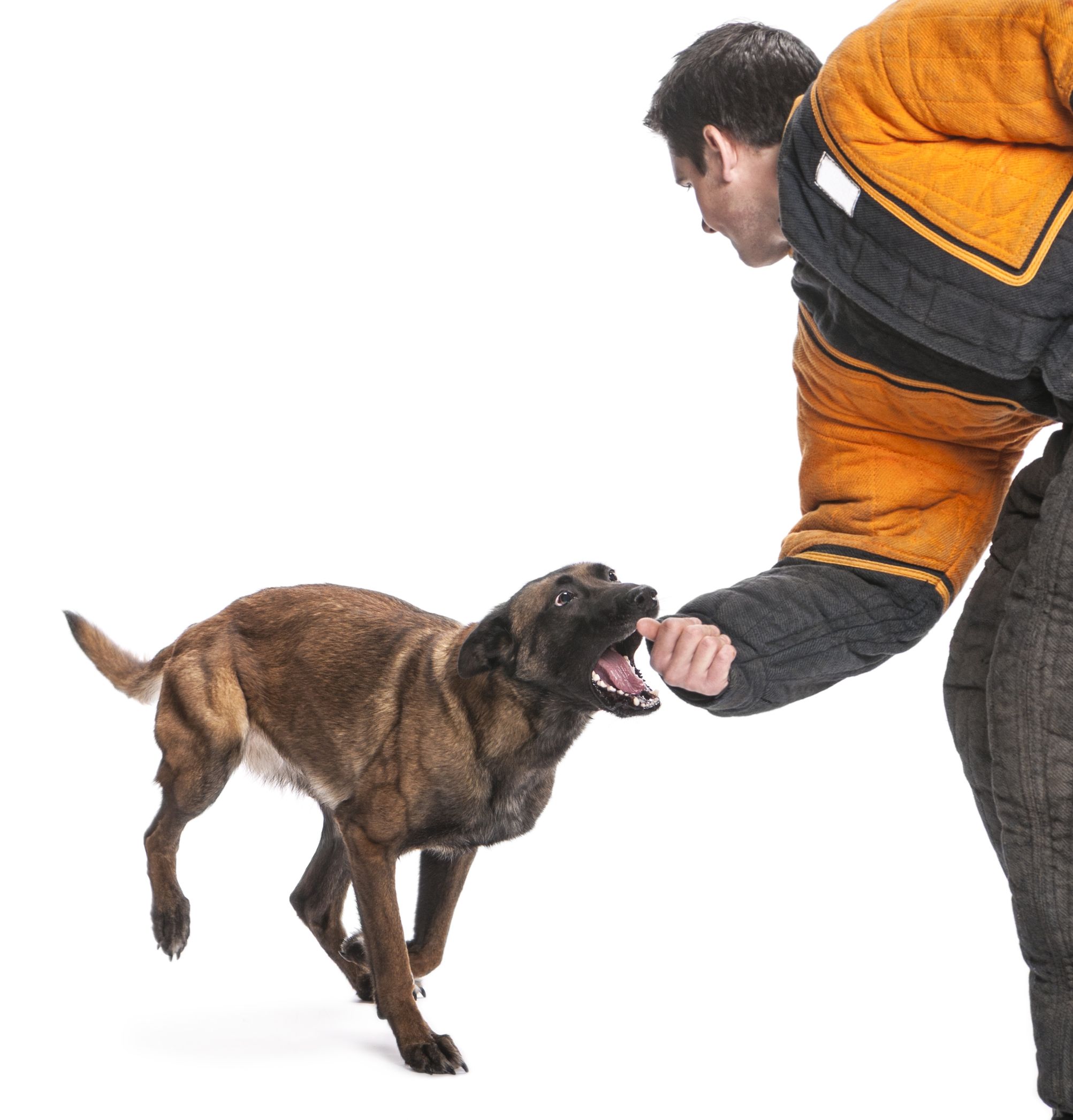
When you bring a puppy into your home, one of the first things you’ll want to establish is a solid foundation of obedience training. Proper dog obedience training from an early age not only ensures that your dog becomes a well-mannered companion but it also builds a lasting bond between you and your pet. Puppies are incredibly impressionable, and the behaviors they learn during their formative months will have a profound impact on their future.
For pet parents in Surprise, AZ, starting early with basic dog training can prevent common behavioral issues and set your puppy up for long-term success.
The Importance of Early Puppy Training
The early months of a puppy’s life are critical for their social development and learning ability. During this time, their brains are rapidly developing, making it the perfect window for teaching essential behaviors and commands. Here’s why early puppy training in Surprise, AZ matters:
- Creates Structure and Boundaries: Establishing rules and structure early helps your puppy understand expectations. Dogs, like humans, thrive in environments where they know what’s expected of them.
- Prevents Behavior Issues: Puppies that aren’t taught proper behaviors may develop undesirable habits such as jumping, excessive barking, and chewing. Training early can prevent these from becoming ingrained behaviors.
- Strengthens the Bond: Training helps form a stronger bond between pet and owner. When a puppy learns to listen to commands and respond to cues, it builds trust and mutual respect.
What Does Early Dog Obedience Training Involve?
Early dog obedience training focuses on teaching basic commands that serve as the building blocks for more advanced training. Here’s what to expect during the early stages of training:
1. House Training
One of the first and most essential parts of puppy training is teaching them where and when to go to the bathroom. House training helps prevent accidents and teaches your puppy to hold their bladder until they’re in an appropriate place to relieve themselves. Consistency and patience are key to success here.
2. Sit and Stay Commands
Teaching your puppy to “sit” and “stay” forms the foundation for more complex behaviors. The “sit” command is simple but essential for controlling your puppy’s actions, whether it’s greeting visitors or preventing jumping. The “stay” command teaches your puppy patience and helps prevent them from rushing into dangerous situations.
3. Come When Called
One of the most important commands for your puppy’s safety is “come.” Puppies that learn to respond to this command are less likely to run off into traffic or get into risky situations. This command should be taught early and reinforced with positive rewards whenever they come to you.
4. Leash Walking
Teaching your puppy to walk on a leash without pulling is another important part of basic dog training. Leash walking can be an easy skill to teach when you start early, and it makes outdoor adventures more enjoyable for both you and your dog.
The Role of Dog Training Methods
Training methods can vary from one trainer to another, but the goal remains the same: to teach the dog how to behave in a way that’s acceptable and safe for both them and their owners. Dog training methods can be categorized into a few primary approaches, all of which focus on reinforcing good behavior.
Positive Reinforcement
The most widely recommended method for dog obedience training is positive reinforcement. This approach rewards good behavior with treats, praise, or toys, making it more likely that your puppy will repeat the desired actions.
Clicker Training
Clicker training is a form of positive reinforcement that uses a small device (the clicker) to mark the exact moment your puppy performs the desired behavior. This method helps your puppy understand exactly what they’re being rewarded for, making it a great tool for precise training.
Crate Training
Crate training is another important technique that can help with house training and teaching your puppy to stay in a confined space when necessary. It provides a safe, comfortable environment for your puppy while also teaching them boundaries and helping with house training.
The Benefits of Professional Dog Training
While you can begin training your puppy at home, sometimes the guidance of a professional dog trainer can make a big difference, especially when behavioral challenges arise. Professional trainers have the expertise to address specific issues like excessive barking, biting, and fearfulness.
By working with a professional, you’ll learn effective techniques and get personalized advice on how to address your puppy’s unique needs. Reliable dog training programs, such as those offered by GoodDog AZ, provide structure and consistent training to ensure that your puppy develops into a well-behaved adult dog.
How to Reinforce Training at Home
Once your puppy has learned basic obedience commands, it’s important to reinforce those lessons at home. Consistency is key. Make training part of your daily routine by practicing commands during meals, walks, and playtime. Here are a few additional tips:
- Be Patient: Puppies are still learning, and it’s important to be patient during the process. Don’t expect them to master commands overnight.
- Use Short, Positive Sessions: Keep training sessions short but frequent to keep your puppy engaged and prevent frustration.
- Avoid Punishment: Positive reinforcement is more effective than punishment. Reward good behavior instead of focusing on bad behavior.
Early puppy training sets the foundation for a happy and well-behaved adult dog. By focusing on dog obedience training and using effective dog training methods, pet parents in Surprise, AZ, can raise puppies that are confident, well-mannered, and safe. Whether you’re teaching basic commands or looking for professional guidance, starting training early gives your puppy the best chance for success.
For those interested in reliable dog training, GoodDog AZ offers personalized programs that help address specific behavior challenges and ensure your puppy becomes the well-behaved companion you envision.