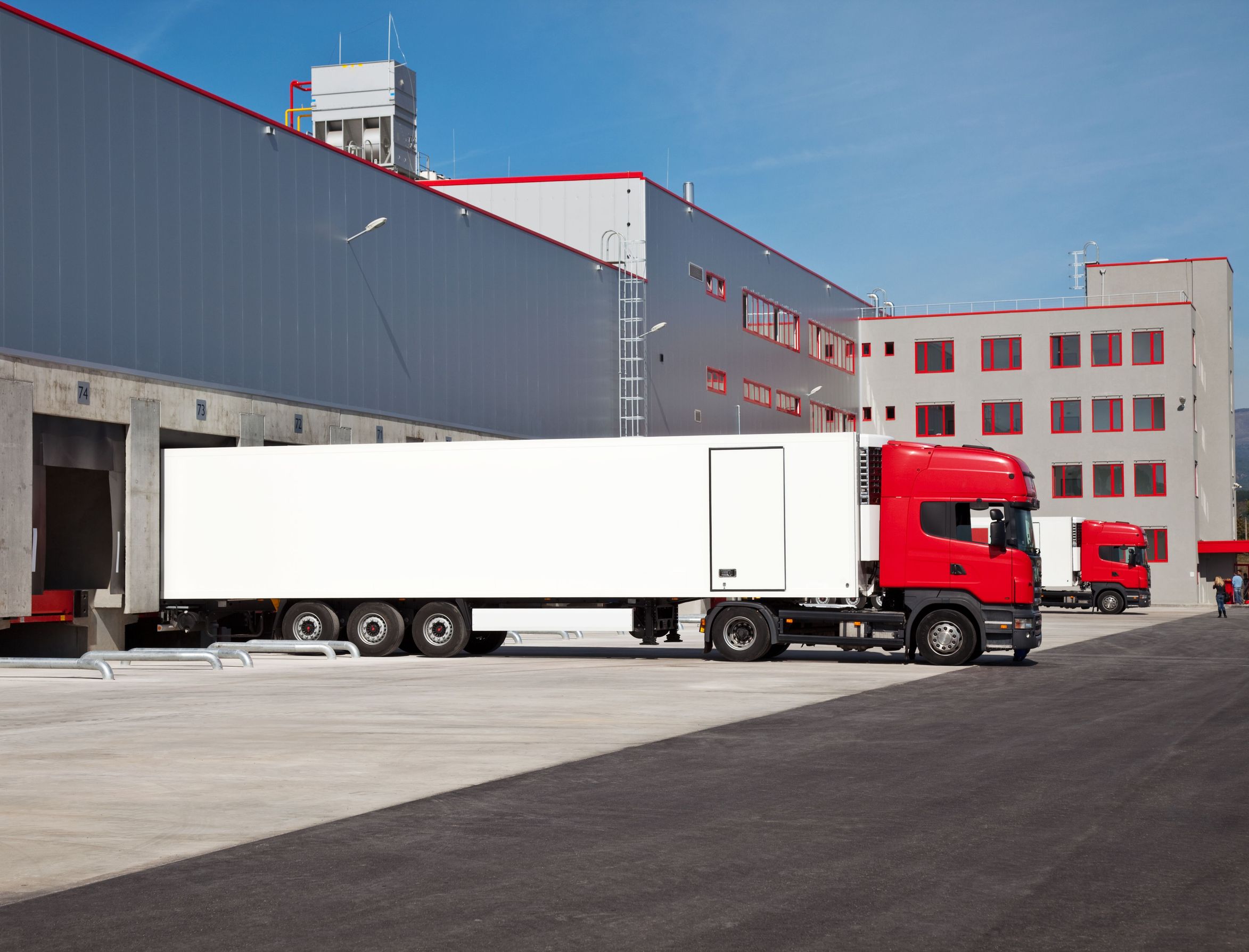
In recent years, the demand for efficient and reliable transportation services has surged, making regional trucking in Kansas City, MO, a vital component of the local economy. As a central hub for logistics and distribution, Kansas City plays a crucial role in connecting various markets across the Midwest. Understanding the intricacies of regional trucking here is essential for businesses looking to optimize their supply chains and ensure timely deliveries.
Understanding Regional Trucking in Kansas City
Regional trucking primarily involves transporting goods within a specific geographic area, typically a few hundred miles from the origin. In Kansas City, this form of trucking is particularly significant due to the city’s strategic location and robust transportation infrastructure. Here are some key aspects to consider:
• Geographical Advantage: Kansas City is uniquely positioned at the crossroads of several major highways, providing easy access to numerous states. This strategic location makes it an ideal starting point for regional trucking operations.
• Diverse Industries: The city’s economy is supported by a variety of industries, including manufacturing, agriculture, and retail. This diversity necessitates a versatile trucking network capable of meeting varied logistical needs.
• Infrastructure: Kansas City boasts a well-developed infrastructure, including highways, rail lines, and an international airport. This infrastructure supports seamless connectivity and enhances the efficiency of regional trucking operations.
For more detailed information on regional trucking services in Kansas City, you can explore this Regional Trucking Kansas City MO resource.
Key Considerations for Regional Trucking
When navigating the regional trucking landscape in Kansas City, several factors should be taken into account:
• Regulatory Compliance: Trucking companies must adhere to federal and state regulations, including those related to safety, emissions, and hours of service. Staying compliant is crucial to avoid penalties and maintain operational efficiency.
• Technology Integration: Leveraging technology can significantly enhance trucking operations. From GPS tracking to route optimization software, technology helps improve delivery accuracy and reduce fuel consumption.
• Driver Shortage: Like many areas, Kansas City faces a shortage of qualified truck drivers. Companies need to invest in recruitment and retention strategies to ensure they have a reliable workforce.
• Seasonal Variations: Weather conditions can impact regional trucking schedules. Businesses must plan for potential disruptions and have contingency plans in place to mitigate delays.
Benefits of Regional Trucking in Kansas City
The advantages of regional trucking in Kansas City extend beyond logistics efficiency:
• Cost-Effectiveness: Shorter routes and optimized logistics reduce fuel costs and wear and tear on vehicles, leading to overall cost savings.
• Environmental Impact: Regional trucking often results in lower emissions compared to long-haul trucking, contributing to a more sustainable transportation system.
• Flexibility: With the ability to make multiple stops within a single trip, regional trucking offers greater flexibility to meet customer demands promptly.
Navigating regional trucking in Kansas City, MO, involves understanding the city’s unique advantages and challenges. With its strategic location, diverse industries, and strong infrastructure, Kansas City is well-positioned to support efficient regional trucking operations. By considering factors such as regulatory compliance, technology integration, and workforce management, businesses can optimize their supply chains and reap the benefits of this essential service. As the demand for reliable transportation continues to grow, regional trucking will remain a cornerstone of Kansas City’s economy, driving both local and regional growth.