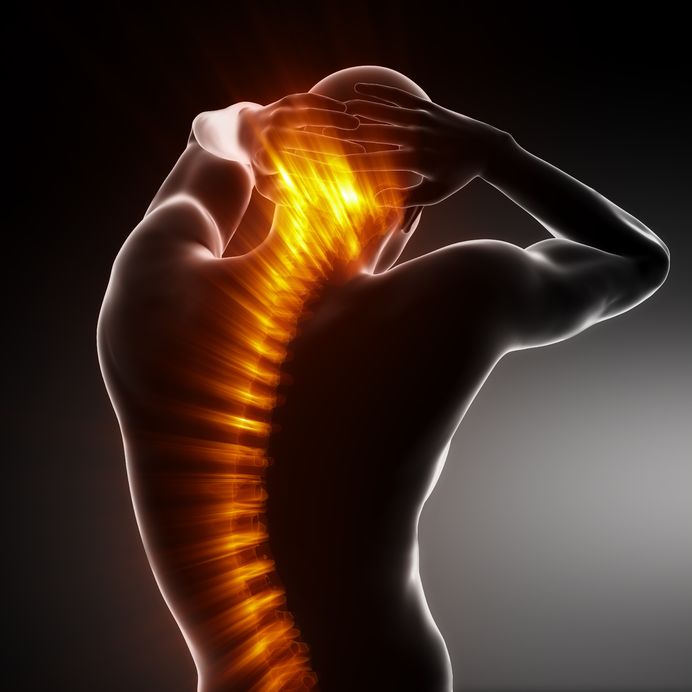
Radiating pain, tingling, or numbness in the arm or hand can feel confusing, especially when the discomfort seems far away from the neck. Many people in Clinton Township, MI begin searching for a neck pain chiropractor or even the best chiropractor near me after symptoms start affecting sleep, driving, computer work, or lifting. While not every case is spine-related, the neck (cervical spine) is a common source of symptoms that travel into the shoulder, arm, or fingers.
Why Arm or Hand Symptoms Can Originate in the Neck
Your cervical spine houses nerves that travel from the neck into the shoulder, arm, and hand. If a nerve becomes irritated or compressed, you may feel symptoms along that nerve’s pathway, often described as:
- Burning, sharp, or electric pain down the arm
- Tingling (“pins and needles”) in the hand or fingers
- Numbness in a specific finger pattern
- Weakness with gripping, lifting, or overhead movement
Common neck-related causes include:
- Cervical disc bulge or herniation: Disc material can irritate nearby nerve roots.
- Foraminal narrowing (stenosis): The openings where nerves exit the spine can become tighter over time.
- Degenerative disc changes: Reduced disc height may change joint mechanics and nerve space.
- Postural strain: Forward-head posture and rounded shoulders can increase stress on cervical joints and soft tissues.
Not all radiating symptoms are from the neck. Conditions such as peripheral nerve irritation (for example at the wrist or elbow) can create similar sensations, which is why a focused assessment matters.
What a Neck Pain Evaluation Typically Checks First
Before considering decompression, a clinician will usually look for patterns that identify whether the neck is the likely source. A thorough evaluation often includes:
- Symptom mapping: Which fingers are affected? Does pain travel past the elbow?
- Movement testing: Which neck motions reproduce or relieve symptoms?
- Neurologic screening: Reflexes, sensation, and muscle strength checks.
- Posture and shoulder mechanics: Neck symptoms often overlap with shoulder and upper-back movement limitations.
- Provocation/relief tests: Certain positions can increase or decrease nerve irritation.
In some cases, imaging (like X-rays) may be considered to assess alignment, disc space, or arthritic changes, especially if symptoms are persistent or worsening.
What Spinal Decompression Is (and What It Isn’t)
Spinal decompression is a traction-based approach designed to reduce pressure on spinal structures, typically by gently separating segments of the spine in a controlled way. For the neck, this is often called cervical decompression.
A key point: decompression is not a single “one-size” technique. The force, angle, duration, and positioning can be adjusted based on the person’s symptoms and tolerance. It also isn’t the right fit for every type of neck pain, particularly if symptoms are driven by issues unrelated to nerve irritation.
When someone searches for a spinal decompression chiropractor, they’re often hoping for a non-surgical way to address radiating symptoms. Decompression may be one option in a broader plan that also includes mobility work, stabilization exercises, and posture changes.
How Decompression May Help Radiating Arm/Hand Pain
Radiating pain often involves mechanical pressure and inflammation around a nerve root. Decompression is used with the intent to:
- Reduce compressive load on irritated nerve structures
- Improve spinal joint motion when stiffness contributes to irritation
- Support disc and joint mechanics by changing how forces distribute in the neck
Some people report that radiating symptoms lessen as neck mobility improves and nerve irritation calms down. Others may feel only partial relief and benefit more when decompression is combined with corrective exercises and ergonomic changes.
It’s important to keep expectations realistic: decompression doesn’t “erase” every cause of nerve irritation, and results depend on the underlying condition, symptom duration, and how consistently supportive habits are applied.
What a Decompression Session May Feel Like
Cervical decompression is typically described as gentle, steady traction rather than forceful pulling. People commonly notice:
- A stretching sensation at the base of the skull or upper neck
- Mild pressure changes that come and go during the session
- Temporary muscle soreness afterward (especially early on)
Because the goal is to calm irritation, not provoke it, clinicians usually monitor symptoms closely. If tingling or pain spikes significantly during treatment, the approach may be adjusted or paused.
Who May Be A Good Candidate, And Who May Not
A neck pain chiropractor may consider decompression when symptoms suggest nerve irritation and the person can tolerate traction-based positions. It’s commonly discussed for radiating pain related to disc or joint-based compression patterns.
However, decompression may be inappropriate or require medical clearance in cases such as:
- Fracture, suspected instability, or severe osteoporosis
- Infection, tumor, or certain inflammatory conditions
- Recent significant trauma
- Symptoms suggesting a non-mechanical cause that needs urgent medical workup
If you have sudden severe weakness, loss of coordination, fainting, chest pain, or rapidly worsening neurologic symptoms, seek emergency medical care.
Supporting Steps That Often Matter as Much as Decompression
Even the best in-office care can be undermined by daily habits that keep re-irritating the neck. Helpful, practical changes often include:
- Screen height adjustments (eyes level; avoid prolonged chin-forward posture)
- Frequent micro-breaks (1–2 minutes every 30–45 minutes)
- Sleep positioning tweaks (pillow height that keeps the neck neutral)
- Targeted stability work (deep neck flexor control and upper-back support)
- Shoulder mobility and strength (reducing overload on the neck)
For many people, the combination of symptom reduction + better movement habits is what creates longer-lasting improvement.
A Practical Next Step in Clinton Township, MI
If you’re dealing with radiating arm or hand symptoms and searching for a spinal decompression chiropractor or the best chiropractor near me, it’s reasonable to start with an evaluation that clarifies whether the neck is the source and what non-surgical options fit your presentation. For an overview of non-surgical approaches, you can review trusted non-surgical spine care resources and use that information to guide questions during your next appointment.