Short answer:
- Energy-efficient front doors reduce heat transfer, block UV rays, and cut sound intrusion, making them a practical upgrade for San Diego’s coastal climate.
- Steel doors with thermally broken frames and low-e glass outperform standard wood or fiberglass in durability and insulation.
- Look for certifications from ASTM, NFRC, and AAMA when comparing door performance claims.
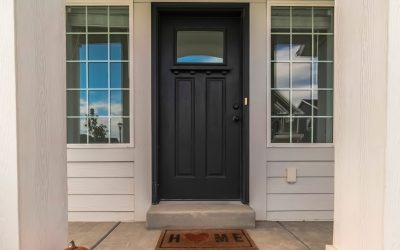
Choosing a front door at Portella involves more than picking a style that matches your home’s facade. Coastal humidity, salt air, and intense summer sun all affect how a door performs over time, so material choice and thermal engineering matter as much as appearance. For homeowners weighing options, a front door in San Diego CA built with corrosion-resistant materials and verified energy ratings tends to hold up better than off-the-shelf alternatives.
Why Thermal Performance Matters for San Diego Entryways
San Diego’s climate rarely sees extreme cold, but afternoon sun exposure and temperature swings between coastal mornings and inland afternoons still put stress on entry doors. A door with poor insulation lets conditioned air escape, forcing HVAC systems to work harder throughout the year. According to the U.S. Department of Energy’s guidance on energy-efficient windows and doors, selecting products with proper air sealing and insulation ratings can meaningfully reduce a home’s energy consumption.
Doors marketed as energy-efficient should address two separate issues:
- Glass performance – low-e coatings limit UV penetration and reduce heat gain.
- Frame conduction – even well-insulated glass loses value if the metal frame conducts heat directly into the home.
Steel doors and windows can feature a patented thermally broken frame system using glass reinforced polythermide to reduce thermal transfer and improve energy efficiency. This distinction separates genuinely efficient doors from products that only address the glazing.
What to Look for in a Coastal-Ready Front Door
Salt air and humidity accelerate corrosion on standard steel and untreated metal hardware. Steel doors and windows manufactured using a zinc-bonded galvanizing technique with only 100% recyclable steel are built to withstand conditions not found in ordinary products. This kind of coating matters most in coastal San Diego neighborhoods where ocean exposure is constant.
Buyers should also confirm independent certifications rather than relying on marketing claims alone:
| Certification Body | What It Verifies |
| ASTM | Material strength and structural performance |
| NFRC | Energy performance ratings (U-factor, solar heat gain) |
| AAMA | Air, water, and structural resistance standards |
Steel doors with advanced thermal coatings are built for durability and tensile strength, helping to maintain indoor temperatures, and are constructed according to ASTM, NFRC, and AAMA specifications. Confirming these standards before purchase helps homeowners avoid products that underperform once installed.
Comparing Door Materials for Energy Efficiency
Material choice affects both upfront cost and long-term performance. The table below outlines general tradeoffs relevant to San Diego’s coastal and inland microclimates.
| Material | Thermal Performance | Corrosion Resistance | Best Use Case |
| Standard steel | Moderate (without thermal break) | Low unless treated | Budget commercial entries |
| Thermally broken steel | High | High with zinc coating | Coastal residential and commercial |
| Wood | Moderate | Low, requires maintenance | Historic or traditional homes |
| Aluminum | Moderate to high | Moderate | Modern storefronts |
Thermal doors are a cost-saving move built with recycled material, designed to minimize UV effects that keep homes cool in summer, and also reduce sound transfer from outside noise. For households near the coast, the combination of insulation and noise reduction often justifies the higher upfront investment in a thermally broken steel system.
Ordering and Installation Timelines
Custom energy-efficient doors are not off-the-shelf products, so realistic timeline expectations matter when planning a renovation or new build. The process typically starts with a pricing estimate within three to seven days, followed by design drawings for approval within one to two weeks, with any requested changes handled before manufacturing begins. Manufacturing timelines vary by door style and complexity, so it is worth confirming lead times early in the planning process, especially for projects tied to a broader remodel schedule.
Frequently Asked Questions
Does an energy-efficient front door actually lower utility bills in San Diego? Reduced heat transfer through the door and frame means less strain on cooling systems during warm months, though savings vary based on home size, orientation, and existing insulation.
What certifications should I ask about before buying a door? Confirm ASTM, NFRC, and AAMA ratings, since these independently verify structural strength, energy performance, and resistance to air and water infiltration.
Are steel doors prone to rust in coastal San Diego air? Untreated steel can corrode near the coast, but zinc-bonded galvanized coatings are specifically designed to resist salt-air corrosion.
How long does a custom door project typically take? Timelines depend on door style and complexity, with initial estimates often provided within about a week and full manufacturing taking several weeks to months.
Selecting the right front door for a San Diego home means balancing appearance with real performance data on thermal breaks, coatings, and certifications. Homeowners who verify these details before ordering are less likely to face early corrosion, energy loss, or warranty gaps. For San Diego projects requiring custom-engineered steel doors, Portella Steel Doors & Windows – Austin has served the region with manufacturing expertise built around coastal durability and energy performance standards.