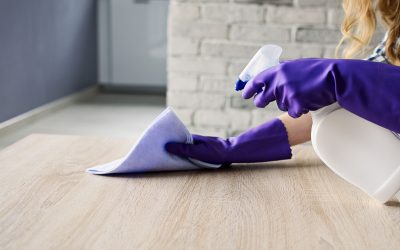
Storefront windows should be cleaned with controlled moisture, nonabrasive tools, and techniques that protect the edges of decals, tint, lettering, and mounted signage. Cleaners must identify each material before starting because standard glass-cleaning methods can loosen adhesive, scratch film, or leave moisture trapped around graphics.
Storefront glass in Phoenix, AZ, often carries more than dust and fingerprints. It may also support promotional decals, vinyl lettering, privacy film, operating-hour signs, seasonal graphics, and permanent branding. Professional window cleaning must improve visibility without damaging these business assets.
Why Do Storefront Decals Require Special Care?
Window decals are typically attached with pressure-sensitive adhesive. Their durability depends on the quality of the material, installation, age, sun exposure, and condition of the edges.
Phoenix heat can gradually weaken adhesive or make older vinyl brittle. If cleaning solution collects beneath a lifting edge, the decal may begin peeling. Aggressive wiping can also stretch thin vinyl, catch corners, or remove small lettering.
Before cleaning begins, each decal should be checked for curling, bubbling, cracking, or loose sections. Damaged graphics should not be scrubbed as though they are part of the glass. Instead, the area should be cleaned carefully around the affected edges.
How Should Glass Be Cleaned Around Vinyl Lettering?
Loose dust should be removed first so it is not dragged across the glass or vinyl. A mild cleaning solution can then be applied with a soft, nonabrasive tool.
Cleaning strokes should generally move from the center of the decal outward without forcing moisture beneath the edges. Small letters require extra control because narrow points and corners can lift more easily than large solid graphics.
The cleaner should also avoid excessive soaking. More solution does not necessarily improve the result, especially when adhesive materials are present. Controlled application makes it easier to clean the exposed glass without saturating the graphics.
Can Squeegees Be Used Over Storefront Decals?
Squeegees may be used on some durable, properly installed decals, but the rubber blade should not repeatedly catch raised edges. The condition and thickness of the vinyl determine whether it is safer to pass over the graphic or work around it.
A damaged squeegee blade can also leave streaks or pull against lettering. Clean tools are essential because grit trapped along the blade may scratch glass or mark the decal surface.
For detailed graphics, cleaners may divide the window into smaller sections and use microfiber cloths around the lettering. This allows greater control than making a full-length squeegee pass across multiple adhesive edges.
What Makes Tinted Storefront Windows Different?
Window tint may be factory-applied within the glass or installed as a film on an exposed surface. Applied film requires careful handling because harsh chemicals, abrasive pads, or sharp tools can scratch, discolor, or weaken it.
Some conventional glass cleaners contain ammonia or strong solvents that may not be suitable for certain films. Storefront window washing services should use film-compatible products and soft tools when the surface type is known.
Tint edges should also be inspected for peeling or bubbling. Moisture should not be forced beneath damaged areas, and scrapers should not be used automatically on tinted glass.
How Is Adhesive Residue Removed Safely?
Storefront windows often retain adhesive after temporary promotions, sale decals, tape, or business-hour changes are removed. This residue can attract dust and create visible smudges.
The correct removal method depends on the adhesive, glass type, tint, and nearby graphics. A compatible adhesive remover may soften residue, but it should first be tested in a small area.
Scraping requires caution. A blade that is appropriate for some untreated glass may damage film, coated glass, or nearby vinyl. It can also scratch glass if grit becomes trapped beneath the edge.
The safest process is to identify the surface, soften the adhesive, use minimal force, and clean the area thoroughly afterward.
How Are Mounted Signs and Frames Protected?
Storefront signs may be attached with brackets, suction cups, adhesive strips, wires, or frames. Cleaning solution can collect around this hardware and leave streaks or drip marks after the glass appears dry.
Electrical signage requires additional care. Direct spraying should be avoided near wiring, illuminated displays, outlets, and control components.
Cleaners should work around mounted elements with controlled amounts of solution. Narrow detailing tools or microfiber cloths can clean the glass near frames without saturating hardware.
Temporary signs placed inside the window may also need to be moved so the full glass surface can be reached. Any sign removed during cleaning should be returned to its correct position.
Why Should Signage Placement Be Documented?
Storefront windows may contain required notices, accessibility information, licensing details, security stickers, operating hours, and promotional displays. Their placement may affect visibility, compliance, or brand consistency.
Before removable signs are moved, their original positions can be documented. This helps prevent notices from being returned to the wrong window or placed at an unreadable height.
Professional window cleaning is not only about clear glass. It also involves protecting the arrangement and condition of the materials attached to it.
How Does Phoenix Weather Affect Storefront Graphics?
Phoenix storefronts are exposed to intense sunlight, heat, windblown dust, and airborne particles from traffic. These conditions can fade graphics, weaken adhesives, and leave a fine abrasive layer on both glass and vinyl.
Dry wiping should be avoided because dust particles may scratch tint or create small marks on glossy decals. The surface should be lubricated with an appropriate solution before wiping.
Direct sunlight also causes cleaning products to dry quickly, increasing the likelihood of streaks. Cleaning shaded sections first or scheduling service during cooler hours can improve control.
Companies offering window cleaning services should adjust their methods for the window’s exposure, temperature, graphics, tint, and level of buildup.
How Can Businesses Prepare Their Storefront?
Business owners can identify loose decals, damaged tint, temporary signage, and sensitive displays before cleaning begins. Interior merchandise near the windows may also need protection from drips.
Any recently installed tint or vinyl should be mentioned because these materials may still be curing. Manufacturer or installer care instructions can help determine which products and methods are appropriate.
Employees should also know whether access to the entrance or display area will be temporarily limited during cleaning.
Clear the Glass Without Damaging the Message
Storefront cleaning requires a balance between removing fingerprints, dust, residue, and exterior buildup while preserving decals, tint, lettering, and signage. Surface identification, controlled moisture, clean tools, and gentle detailing help protect both the glass and the branding attached to it.
The Super Clean Bros serves commercial properties in Phoenix, AZ, and they adjust their cleaning approach around each storefront’s graphics, coatings, signs, and environmental exposure. Careful preparation helps businesses maintain clear windows without disrupting the visual information customers rely on.