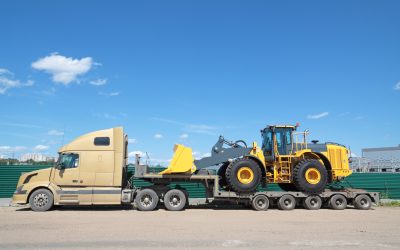
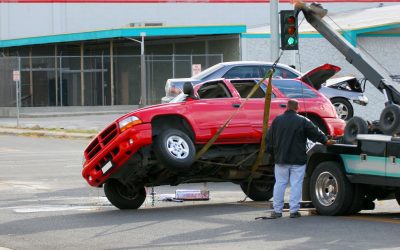
Vehicle recovery is the process of safely removing a damaged or disabled vehicle from the roadway following a collision. When drivers in Phoenix, AZ experience an accident, emergency towing and structured recovery procedures help clear the scene, prevent secondary crashes, and ensure vehicles are transported safely for repair or further inspection. Understanding how these steps work provides clarity during moments that are often stressful and unexpected.
Why Vehicle Recovery Is Necessary After a Collision
A collision often leaves a vehicle inoperable or positioned in an area that threatens the safety of other motorists. In high-traffic locations around Phoenix, rapid and organized vehicle recovery is essential to restoring normal traffic flow and preventing additional hazards.
Even vehicles that appear lightly damaged can have structural issues, leaking fluids, or wheel alignment problems that require professional attention. The goal of recovery is not only to move the vehicle but to do so in a controlled manner that minimizes further damage and ensures safety for everyone involved.
What Are the First Steps Taken During a Collision Recovery?
When towing professionals arrive at a collision scene, they begin with an assessment. This includes:
- Examining the vehicle’s condition
- Identifying hazards such as fuel leaks or blocked wheels
- Determining the safest recovery method
- Evaluating road and traffic conditions
This assessment stage guides the rest of the auto towing process. It allows operators to understand whether the vehicle must be winched, lifted, or repositioned before towing. In Phoenix’s frequently busy roadways, fast and accurate evaluation is essential to clearing the scene efficiently.
How Do Operators Ensure Scene Safety?
Securing the area is a crucial part of collision recovery. Tow operators use cones, lights, and directional markers to alert drivers and redirect traffic as needed. On highways or major intersections, the Arizona climate, especially heat and glare, can reduce visibility, making proper signage even more important.
Operators also coordinate with law enforcement or emergency responders when present. Each plays a role in ensuring that recovery activities proceed without additional risk to drivers, passengers, or responders on-site.
How Is a Vehicle Prepared for Towing After a Collision?
Once the scene is secured, operators begin preparing the vehicle for movement. The steps often include:
- Straightening wheels if possible
- Removing debris around the vehicle
- Disconnecting damaged components that may drag
- Stabilizing the vehicle before lifting
If the vehicle is heavily damaged, the tow truck may need to approach from a specific angle to avoid stressing weakened areas. These preparations help ensure that the emergency towing process proceeds smoothly and safely.
What Methods Are Used in Collision Recovery?
Collision recovery typically relies on one of three primary towing methods:
1. Wheel-Lift Towing
Used when the vehicle’s wheels can still roll and one end remains structurally sound. This method is common for moderate collisions.
2. Flatbed Towing
Used when a vehicle cannot roll safely or when major damage affects stability. Loading the car onto a flatbed ensures complete elevation off the roadway.
3. Winching and Uprighting
Used for vehicles that have spun out, become stuck, or overturned. Winching provides controlled movement to reposition the vehicle before loading.
Tow operators in Phoenix choose the method based on the vehicle’s condition and the environment. The goal is always the same: safe, efficient vehicle recovery.
How Do Tow Operators Protect the Vehicle During Transport?
Even after a collision, preventing further damage is a priority. Operators secure the vehicle using straps, chains, wheel nets, or anchoring points appropriate for the type of tow. They also check for loose parts that may shift during transport.
During the drive, operators adjust speed and routing to account for Phoenix traffic patterns, construction zones, and road conditions. Each step ensures the vehicle arrives safely at the designated repair facility or storage location.
Many towing companies in Phoenix, including those offering reliable towing services such as Sun City Towing, Inc., follow standardized processes to maintain safety and consistency throughout recovery operations.
What Should Drivers Expect After Their Vehicle Is Recovered?
Once the vehicle has been removed from the collision site, drivers typically proceed with insurance communication, repair scheduling, or arranging further transportation. The towing provider documents key details, such as the vehicle’s condition and recovery method used, to support those next steps.
Drivers may also want to confirm where the vehicle is being taken, whether to a repair shop, a storage yard, or another designated location based on insurance instructions. Clear communication ensures drivers know what to expect once the vehicle recovery process is complete.
How Emergency Towing Supports Safer Roads in Phoenix
Phoenix experiences dense traffic, rapid growth, and a climate that contributes to frequent vehicle breakdowns and collisions. Emergency towing plays an important role in maintaining safe roadways by:
- Clearing disabled vehicles quickly
- Reducing traffic congestion
- Minimizing secondary collisions
- Supporting first responders at major incidents
The combination of quick response times and trained recovery procedures allows the city to operate smoothly even during challenging events.
Understanding Vehicle Recovery Helps Drivers Stay Prepared
Knowing what happens during a collision recovery helps Phoenix drivers feel more informed during stressful situations. The systems behind auto towing, emergency scene management, and vehicle removal are designed to prioritize safety and efficiency. By understanding these steps, drivers gain a clearer picture of how recovery teams operate and what to expect when assistance is needed, especially when working with providers that offer reliable towing services during unexpected incidents.