The food supply in the United States is one of the safest in the world due to advances in food packaging containers. Good food packaging enables the benefits of food processing to last once the process has been completed. Food items are able to travel safely for long distances from where they were packaged and still taste good and be nutritious when opened. However, the technology used in packaging and protecting food needs to be balanced with other issues including strict regulations on pollutants, and energy and material costs.
Roles of Food Packaging Containers
The primary roles of food packaging containers food packaging containers are to protect food products from damage and outside influences, to keep the food in place and to provide consumers with information about the ingredients and nutritional value of the food products. Other factors which are becoming increasingly important are convenience and tamper indication. The goal of food packaging containers is to contain food in a cost-effective way that maintains the safety of the food, minimizes environmental impact and satisfies industry and consumer requirements.
Paper and Paperboard Cartons
Paperboard cartons were used as early as the 17th century and became more popular in the later part of the 19th century. These are originally sheet materials and are made of cellulose fibers interlaced together and derived from wood which are then treated with chemicals to produce the end product. They are most commonly used in folding and milk cartons and corrugated boxes.
There are several types of paperboard cartons that are used for food packaging. White board is made from several thin layers of a bleached chemical. It is typically used as the inner layer of a carton so comes in direct contact with food.
Solid board is made of multiple layers of bleached sulfate board. A laminate of polyethylene enables it to be used for packaging soft drinks and fruit juices.
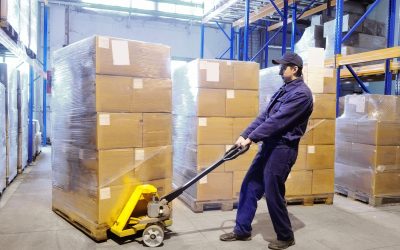
Fibreboard is either corrugated or solid. Corrugated fibreboard has two layers of Kraft paper and a central corrugating material, thereby improving its resistance to impact and damage. It is used primarily for shipping bulk food items.
Solid fibreboard has an inner white board layer and outer Kraft layer and also provides good protection against compression and impact. Adding a laminate of aluminum or plastic improves its protective properties and so is used to package dry products such as milk powder and coffee.