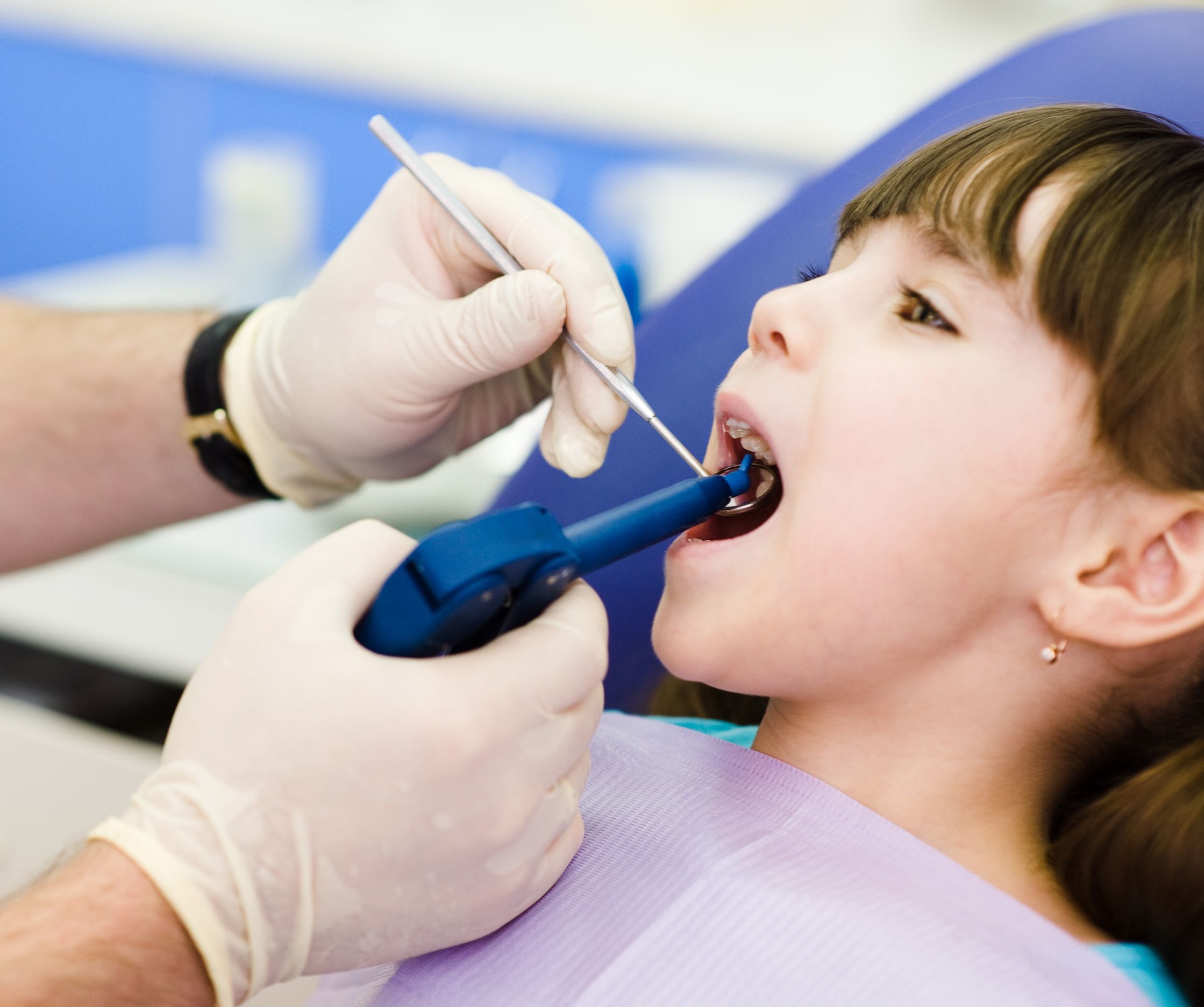
 Tooth decay is something most people deal with at some point. The diagnosis is readily made by the dentist since the decay is often invisible to the naked eye. The Pediatric dentist in Wichita asks questions about pain and tooth sensitivity. An x-ray can confirm the presence of a cavity. If you are in any pain, seek help.
Prevalence
Cavities are very common. More than nine out of ten people have had at least one cavity. More than a third of children aged six and over and half of children aged 12 years and older would have been affected by this affliction. According to statistics, over half of all children aged 6 to 12 in the U.S. have had at least one cavity.
Decay affects the crown of the tooth (the visible part that is not covered by the gums). It affects the root of the tooth, often by loosening or eroding the gums. This continues to increase with age and is more common in the elderly.
Causes
The causes of tooth decay are multiple, but eating sugars, especially between meals, is the main culprit. But other factors such as snacking an improper brushing of teeth are also implicated.
Medical Treatment
Cavities that have not had time to reach the pulp of the tooth can be treated easily and require a simple filling. Once cleaned, the cavity is sealed with a blended or a composite filling. Thus, the pulp of the tooth and the tooth is preserved. For more advanced caries, the canal of the tooth is treated and cleaned. If the decayed tooth is severely damaged, a root canal and tooth extraction may be necessary.
These treatments are usually performed under local anesthesia. Pain caused by tooth decay can be relieved with pain relievers. If an abscess is present, the Pediatric Dentist Dripping Springs may prescribe an antibiotic treatment. Every case is different though, so it’s important to consult a dentist.
Prevention is better than the cure. In the case of dental decay, prevention is effective and requires good oral hygiene with regular brushing at least twice daily, ideally three times a day after every meal. What is important in the treatment is quick reference. Regular visits to the dentist are important because they help remove decay before they reach an advanced stage.