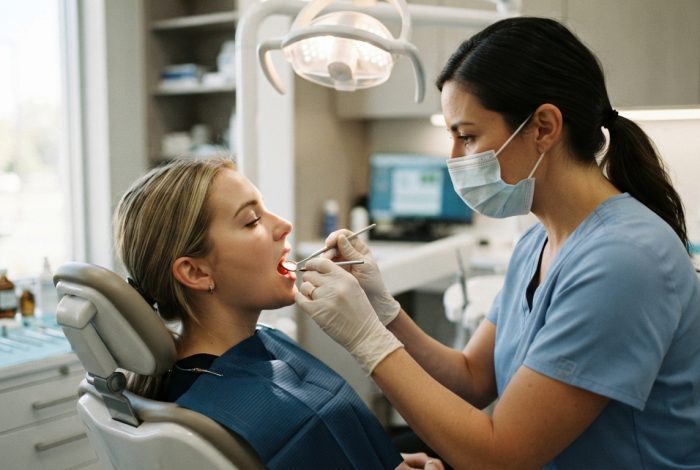

• A general dentist manages routine exams, cleanings, and preventive care that help catch problems before they require extensive treatment.
• Regular checkups support long-term oral health by tracking changes in teeth and gums over time.
• Preventive dental visits are typically recommended at consistent intervals rather than only when pain occurs.
A general dentist provides the routine checkups, cleanings, and preventive treatments that form the foundation of long-term oral health. These visits allow early detection of decay, gum disease, and other issues before they become costly or painful to treat.
Oral health problems rarely appear suddenly. Most develop gradually, which is why consistent monitoring by a General Dentist Janesville, WI matters more than reactive treatment after symptoms emerge. Routine visits create a record of changes in enamel, gum tissue, and bite alignment that a single appointment cannot capture.
Residents searching for dental care in Janesville, WI often prioritize providers who emphasize prevention alongside treatment, since consistent oral health monitoring reduces the likelihood of emergency visits later. A dentist who sees the same patient over multiple years is better positioned to notice subtle shifts that might otherwise go unnoticed.
What Routine Dental Visits Typically Include
A general dentist appointment usually combines several preventive and diagnostic steps rather than a single procedure. Understanding what happens during a typical visit helps patients know what to expect and why each step matters.
• Professional cleaning to remove plaque and tartar buildup that brushing alone cannot eliminate
• Visual and digital examination of teeth, gums, and soft tissue for early signs of decay or disease
• X-rays taken periodically to detect issues below the surface, such as bone loss or hidden cavities
• Discussion of home care habits, including brushing technique and flossing frequency
The American Dental Association notes that regular professional cleanings and exams play a central role in preventing the progression of common oral health conditions. These visits also give dentists an opportunity to identify risk factors tied to diet, medication use, or habits like teeth grinding.
Why Consistency Matters More Than Frequency Alone
Visiting a dentist occasionally is less effective than maintaining a consistent schedule with the same practice. Continuity allows a provider to compare current conditions against prior records, which improves diagnostic accuracy.
• Early-stage cavities are easier and less expensive to treat than advanced decay
• Gum disease progresses in stages, and early intervention can prevent tooth loss
• Oral cancer screenings performed during routine visits can identify abnormalities before symptoms appear
• Bite and jaw issues are easier to manage when monitored over time rather than addressed only after discomfort begins
Climate and seasonal habits in Janesville, WI can also influence oral health patterns, since cold winters often lead to temperature-related tooth sensitivity and dietary shifts during holiday months. Patients who maintain scheduled visits are better positioned to address these seasonal factors before they contribute to larger problems.
Choosing a Dental Provider for Ongoing Care
Selecting a general dentist involves more than proximity or appointment availability. Patients benefit from considering how a provider approaches preventive care, communication, and long-term treatment planning.
|
Factor |
Why It Matters |
|
Preventive focus |
Reduces likelihood of advanced procedures later |
|
Consistent recordkeeping |
Supports accurate tracking of oral health changes |
|
Clear communication |
Helps patients understand findings and next steps |
|
Accessible scheduling |
Encourages adherence to recommended visit intervals |
Based in USA, Read About General Dentist Care serves patients across Janesville, WI, offering the kind of preventive-focused dental care that supports consistent monitoring over time. Patients evaluating a long-term dental provider often weigh these factors against personal needs such as sensitivity, prior dental history, or family oral health patterns.
How often should adults see a general dentist? Most dental organizations recommend checkups and cleanings at regular intervals, typically every six months, though individual needs can vary based on oral health history.
What is the difference between a general dentist and a specialist? A general dentist handles routine preventive and diagnostic care, while specialists such as orthodontists or periodontists address specific conditions requiring focused treatment.
Can routine visits prevent the need for major dental work? Consistent checkups allow early detection of decay and gum disease, which often reduces the likelihood of needing extensive procedures later.
Are dental X-rays necessary at every visit? X-ray frequency depends on individual risk factors and dental history, and a provider typically determines the appropriate interval during routine exams.
Learn More About Local Dental Care Options
Current service area information for Read About General Dentist Care is published for patients reviewing preventive dental care options. Maintaining a consistent relationship with a dental provider remains one of the more practical steps toward preserving oral health over time, and patients are encouraged to review available scheduling and care details before selecting a long-term provider.