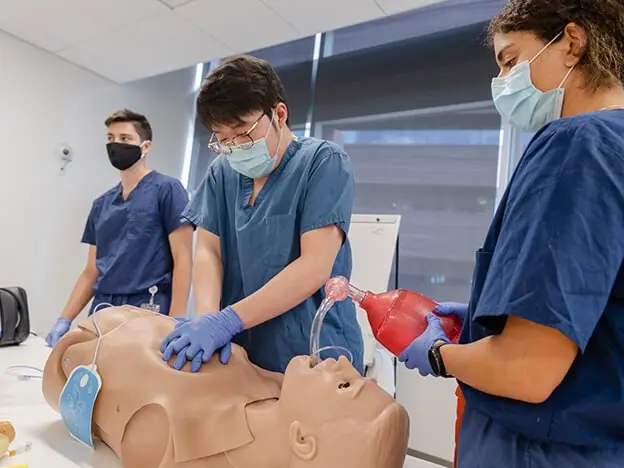
Youth sports programs should select CPR and AED training based on their participants’ ages, staff responsibilities, organizational requirements, and the credentials expected of coaches and volunteers. Choosing appropriate instruction also means confirming hands-on skills assessments, understanding certification documentation, and ensuring that training supports the program’s existing safety policies.
For youth sports organizations in Glendale, Arizona, these decisions involve more than registering employees for a convenient class. Coaches, athletic coordinators, recreational staff, and volunteers work in environments where responsibilities differ considerably. A well-considered training approach helps organizations establish consistent expectations while respecting the distinct roles of everyone involved.
Why Do Training Requirements Differ Across Youth Sports Programs?
Youth sports organizations vary in size, structure, supervision arrangements, and administrative responsibilities. A neighborhood recreational league may rely primarily on volunteers, while a competitive athletics organization might employ coaches, program directors, and facility personnel.
Some leagues require designated coaches to maintain current CPR credentials. Others extend requirements to assistant coaches, athletic coordinators, or additional personnel responsible for supervising participants.
Requirements can also come from governing bodies, school districts, facility agreements, insurers, or organizational policies.
Because these expectations are not necessarily identical, programs should avoid assuming that one certification standard applies universally.
Before selecting training, administrators should determine which individuals require documented course completion and whether a particular issuing organization is specified.
What Should Coaches Look for in CPR and AED Instruction?
Coaches frequently supervise groups of children and adolescents during practices, competitions, and organized recreational activities.
Appropriate instruction should address emergency-response concepts applicable to the age groups involved and provide opportunities to develop practical skills through structured training.
The American Heart Association’s Heartsaver CPR AED Course is designed for people who may need CPR and AED education in workplace or community settings, including coaches and recreational personnel.
Its curriculum addresses CPR for different age groups and the use of automated external defibrillators.
However, course selection should reflect the organization’s requirements rather than assuming every coach needs an identical credential.
A program supervising preschool participants may have different educational priorities from an organization serving primarily teenagers.
How Does CPR and AED Certification Differ From General Awareness Education?
Not every program that introduces emergency-response concepts provides a formal course completion credential.
Awareness activities may familiarize participants with important terminology, while certification-oriented courses establish defined educational and assessment requirements.
For organizations requiring cpr and aed certification, this difference is significant.
American Heart Association Heartsaver courses include structured instruction and applicable skills evaluations. Successful completion results in an appropriate course completion card.
The American Heart Association also offers community education resources developed specifically for youth sports participants and coaches. These resources can support awareness and learning, but participation should not automatically be considered equivalent to completing a credential-bearing Heartsaver course.
Organizations should identify whether their governing policies require formal documentation or simply encourage educational participation.
Why Should Youth Sports Programs Consider Participant Age Groups?
Youth athletics may include children at significantly different developmental stages.
A recreational organization might supervise elementary school participants during one session and older adolescents during another.
Although the broad purpose of emergency-response education remains consistent, training content can address differences among adult, child, and infant care.
Administrators should therefore consider the populations their staff supervise when evaluating available instruction.
For example, programs dedicated to younger children may benefit from confirming that the selected course includes applicable pediatric content.
Organizations serving multiple age groups should discuss those circumstances with the training provider.
What Makes Hands-On Instruction Important for Coaches?
CPR education involves practical competencies that cannot be fully evaluated through reading materials alone.
An instructional format that includes appropriate skills practice allows participants to demonstrate their understanding under structured conditions.
The American Heart Association offers classroom instruction and blended learning pathways for Heartsaver CPR AED courses.
Blended learning combines online education with a required hands-on skills component. An online learning module alone does not satisfy the complete requirements for an American Heart Association course completion card.
When comparing cpr and aed training, youth sports administrators should confirm how practical evaluation is conducted.
They should also determine whether successful completion results in the credential specified by their organization.
Should Every Coach and Volunteer Complete the Same Course?
Uniform training can simplify administration, but identical requirements are not always necessary for every position.
A head coach may carry different responsibilities from a volunteer handling registration or maintaining equipment.
An athletic program director may also be responsible for confirming staff qualifications and maintaining organizational records.
Consequently, organizations should identify which positions require certification before arranging classes.
This does not mean that additional staff members cannot participate in CPR education.
Rather, training expectations should be clearly connected to organizational responsibilities and any applicable external standards.
A written distinction between required and optional participants can make enrollment easier to coordinate.
How Can Programs Evaluate Available CPR Training Classes?
When reviewing cpr training classes, administrators should consider course recognition, instructional format, age-group relevance, scheduling, and documentation.
The first consideration is whether the course satisfies the organization’s established requirements.
Next, administrators should examine whether the format includes the practical instruction and assessment necessary for the intended credential.
Scheduling deserves attention as well.
Youth sports programs frequently operate around school calendars, seasonal registrations, evening practices, and weekend competitions.
Coordinating training before a season begins may reduce conflicts and give administrators time to collect completion records.
Organizations arranging instruction for several participants should also ask training providers about group enrollment options and course availability.
What Records Should Athletic Organizations Maintain?
Certification documentation is an important administrative consideration for organizations that establish formal training requirements.
Relevant records may include participant names, course designations, issuing organizations, completion dates, and credential expiration dates.
For American Heart Association Heartsaver courses, course completion cards are generally valid for two years.
However, a program’s governing organization may establish additional rules concerning renewal deadlines or documentation.
Administrators should confirm those requirements independently.
Keeping accurate records can make it easier to determine which coaches have completed the required education and which credentials may need renewal before an upcoming season.
Documentation also helps organizations respond to internal reviews without relying entirely on individual staff members to locate their records.
How Should CPR Training Fit Into Existing Program Policies?
CPR education works best when organizations understand how it relates to their broader responsibilities.
A training course provides instruction in defined skills, while program policies address supervision, communication, facility procedures, and organizational accountability.
These functions are connected but distinct.
Administrators should examine how certification requirements interact with existing staff onboarding, volunteer orientation, and seasonal preparation.
They should also identify who is responsible for reviewing training records and communicating organizational expectations.
For programs operating at multiple facilities, consistent policies can help prevent confusion between locations.
Training providers can explain course content and completion requirements, but decisions about internal responsibilities remain with the organization.
What Should Glendale Programs Consider Before Enrollment?
Youth sports organizations in Glendale may operate through schools, neighborhood facilities, recreational associations, or privately managed athletics programs.
Their training arrangements should reflect the actual needs of their staff and participants.
Before registration, administrators should confirm any governing requirements, the appropriate course designation, and whether practical instruction is included.
They should also establish when completion documentation must be available.
Programs seeking cpr certification for multiple coaches may benefit from discussing their enrollment needs with a provider that offers group instruction.
Clear communication can help determine whether available courses align with organizational requirements without assuming that every location or instructional option is available at all times.
How Can Programs Prepare for Future Certification Renewals?
Training responsibilities do not necessarily end when staff members complete their initial courses.
Youth sports organizations regularly experience changes in coaching assignments, volunteer participation, and seasonal leadership.
Administrators should therefore incorporate credential reviews into regular program planning.
Before each season, organizations can determine whether their required personnel hold acceptable, current documentation.
They can also identify upcoming expiration dates and clarify whether new staff members must complete training before assuming particular responsibilities.
A consistent administrative process reduces uncertainty about who has fulfilled the organization’s expectations.
Final Thoughts
Choosing appropriate CPR and AED training requires youth sports organizations to understand their own requirements before comparing course options.
Age-group relevance, hands-on instruction, recognized completion credentials, staff responsibilities, and accurate documentation all contribute to an informed enrollment decision.
For programs in Glendale, professional instruction can provide a structured way for coaches and recreational personnel to complete relevant training while supporting established organizational expectations.
The most useful course is ultimately the one that matches the program’s responsibilities and accepted standards, rather than simply offering the quickest enrollment opportunity.
About CPR Solutions AZ
Serving Glendale and surrounding Arizona communities, CPR Solutions AZ provides American Heart Association CPR, AED, and First Aid training for individuals, workplaces, and organized groups. Their courses are delivered through certified instructors and include hands-on learning for participants seeking recognized course completion credentials. Program coordinators can reach their team at (623) 640-3591 or view their business location on Google Maps for additional information.