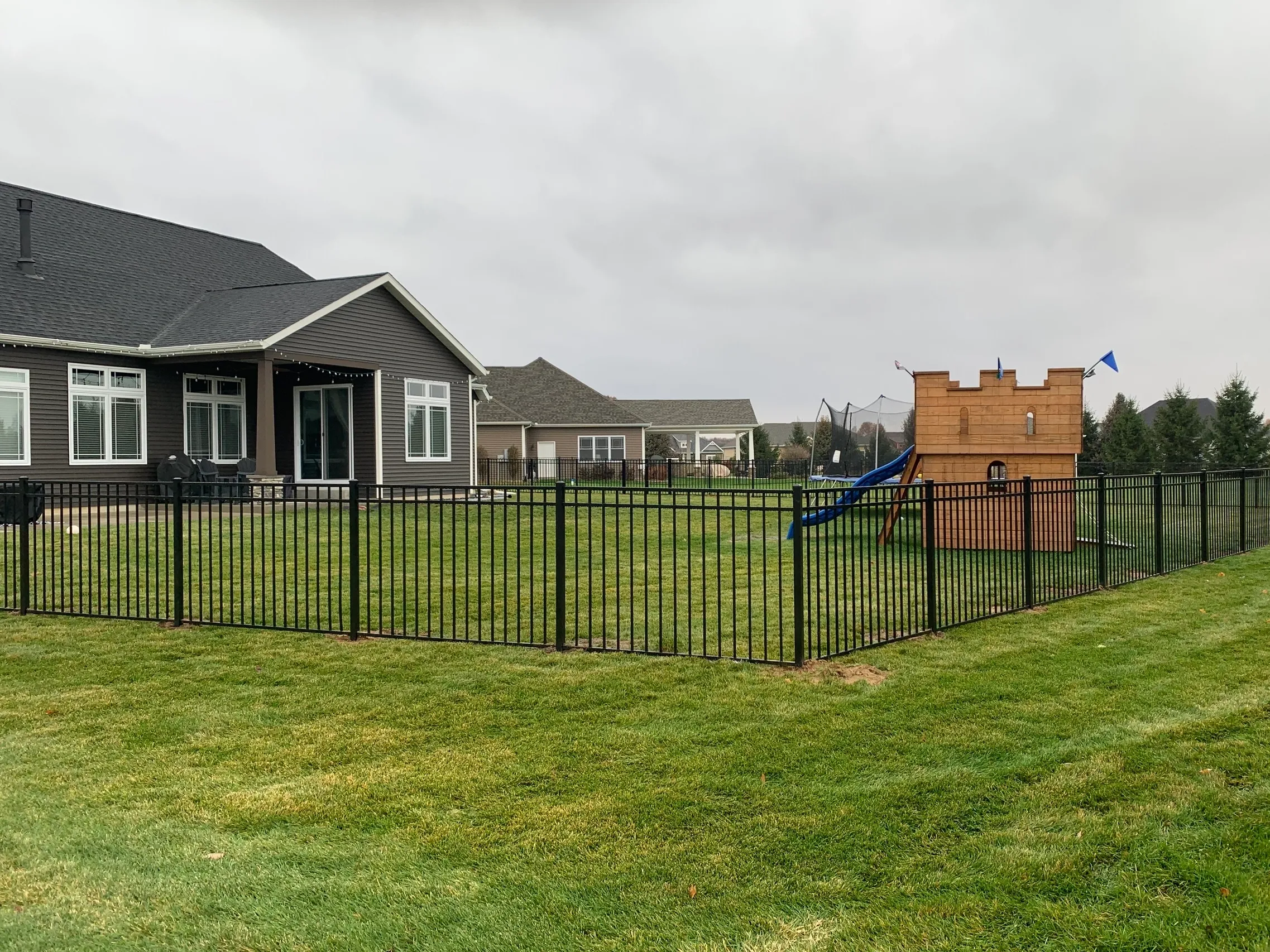
A well-planned fence can make a backyard feel calmer, more comfortable, and more useful. If you’re researching a Privacy fence Elkhart Indiana online, start by thinking about what you want the fence to do: block views, reduce distractions, create a safe area for pets, or define the edges of your outdoor space.
Start with your privacy goals
The right fence depends on the level of seclusion you need. A solid, full-height design offers the strongest visual barrier, while a fence with small gaps may provide a little more airflow and a less enclosed feel. Think about where privacy matters most. You may want to screen a patio or hot tub without enclosing the entire yard.
Also consider how the fence will look from inside your home and from the street. A design that complements your house and landscaping can provide privacy without making the yard feel boxed in. Before choosing a height or layout, check local requirements and any homeowners association rules that may apply. Rules can vary, so confirm the current standards for your property rather than relying on a neighbor’s fence as a guide.
Compare materials for local conditions
Elkhart’s changing seasons make durability an important part of the decision. Rain, humidity, freezing temperatures, and winter weather can all affect a fence over time. Material choice influences maintenance, appearance, and long-term performance.
- Wood offers a classic, customizable look and can create a solid screen. It generally needs periodic cleaning, sealing, staining, or painting to help protect it from moisture and weathering.
- Vinyl provides a clean, consistent appearance and does not require painting. Routine washing can help keep it looking fresh, though the posts and installation still need to be suited to the site and local conditions.
- Composite can offer the look of wood with different maintenance needs, but styles, colors, and costs vary. Ask how the product handles temperature changes and what care the manufacturer recommends.
Whichever material you choose, sturdy posts and sound installation matter. Ask how the fence will be supported and whether the proposed layout accounts for slopes, drainage, and exposure to wind.
Plan the layout before installation
Accurate placement helps prevent avoidable problems. Confirm property lines before work begins, especially if the fence will sit near a boundary. A property survey can help clarify where the line falls. Before digging, arrange for underground utilities to be marked; buried lines may not be visible from the surface.
Walk the yard and note gates, garden beds, trees, and changes in elevation. On a sloped section, the fence may follow the ground in steps or angle along the grade. Each approach affects the final appearance and the gaps beneath the fence. If pets or small children are a concern, pay particular attention to those openings and choose a gate latch that fits your needs.
Think beyond the fence itself
A privacy fence works best as part of an overall backyard plan. Leave enough room for maintenance access, decide how gates should open, and consider whether nearby plants could press against the panels as they grow. It can also help to discuss upkeep expectations with everyone who will share responsibility for the property.
The best choice balances seclusion, durability, appearance, and local requirements. By defining your goals, comparing materials, checking boundaries, and planning the layout carefully, you can create a backyard that feels more private and remains practical through Elkhart’s changing seasons.